10 Best LED Bulbs for Wholesale Buyers in 2026?
Wholesale lighting decisions rarely fail because of one dramatic defect. They fail through small mismatches: a bulb that flickers in a hotel corridor, runs too warm in a retail display, or does not fit existing sockets.
This guide examines 10 best LED Bulbs for wholesale buyers in 2026. It focuses on practical performance, not attractive packaging alone. Each option should be considered through brightness, color temperature, beam angle, wattage, dimming behavior, lifespan, and operating temperature. Procurement teams should also review test reports, warranty terms, supplier history, and product consistency across batches.
Details matter.
A warehouse buyer may need durable A19 bulbs for thousands of fixtures. A restaurant distributor may prefer warm 2700K lighting with reliable dimming. Meanwhile, commercial projects often demand documented efficiency and stable availability. There is no universal winner. That is an uncomfortable truth.
The selections in this article are designed to support informed comparison. They reflect common wholesale priorities, including unit cost, packaging, shipping protection, private-label potential, and replacement risk. Where performance depends on installation conditions, that limitation is noted clearly. Specifications can look impressive on paper, yet real-world results may differ because of voltage variation, enclosed fixtures, or incompatible dimmers.
Buyers should verify current certifications and regional requirements before placing large orders. Supplier claims deserve careful checking. Even experienced purchasers can overlook a minor detail that becomes expensive at scale. Use this list as a practical starting point, then test samples under actual operating conditions.
LED Bulb Market Trends and Wholesale Buyer Needs in 2026
In 2026, wholesale LED bulb buyers are looking beyond low unit prices. They want stable performance, predictable supply, and clear technical data. Efficiency remains important, but it is not the only decision point. Many buyers now compare lumens per watt, color consistency, dimming behavior, and expected operating life. A bulb that looks efficient on paper may perform poorly in a warm retail display or enclosed fixture.
Demand is also shifting toward practical product mixes. Warm white bulbs suit hotels and homes, while neutral white options support offices and small stores. High color rendering matters for fashion retailers, galleries, and food displays. Flicker performance is receiving more attention, especially in workplaces using cameras or digital screens. Wholesale teams should request test reports, sample units, packaging details, and compliance information for each target market. Do not rely on a single specification sheet.
Supply reliability has become a serious purchasing need. Buyers prefer suppliers that can explain lead times, replacement procedures, minimum order quantities, and carton protection. During sample checks, inspect the base, diffuser, heat management, and startup time. Small defects become expensive at pallet scale. No shortlist is perfect. We have seen attractive bulbs lose value because their packaging was weak or their light color varied between batches. A better purchasing process combines laboratory data with hands-on testing, realistic installation trials, and honest cost calculations. Availability still matters. So does consistency.
Key Criteria for Evaluating LED Bulbs at Wholesale Scale
10 Best LED Bulbs for Wholesale Buyers in 2026?
Key Criteria for Evaluating LED Bulbs at Wholesale Scale
Wholesale buyers need more than attractive wattage claims. Start with verified lumens, efficacy, color temperature, and color rendering index. A 9-watt bulb may appear efficient, but its output can vary after thermal testing. Request independent laboratory reports, not only supplier spreadsheets. Check samples under warehouse lighting, retail shelves, and ordinary home fixtures. Small differences become expensive across thousands of units.
Test consistency across production batches. Measure light output, power factor, flicker, startup time, and operating temperature. A practical trial might include 50 samples from different cartons, followed by a 72-hour burn test. Inspect loose bases, uneven diffusers, and color shifts after continuous operation. Keep records with batch numbers and photographs. Details matter.
Reliability is not only about lifespan claims. Review warranty terms, replacement procedures, packaging strength, and delivery history. Confirm that electrical and safety documentation matches the destination market. Requirements differ by country and product category. Do not assume one certificate covers every shipment. A lower unit price can hide higher return costs. That lesson is easy to miss. No checklist is perfect, either. Buyers should revisit failure data after each order and adjust their acceptance standards when real-world performance challenges the original assumptions.
Ten Leading LED Bulbs for Different Commercial Applications
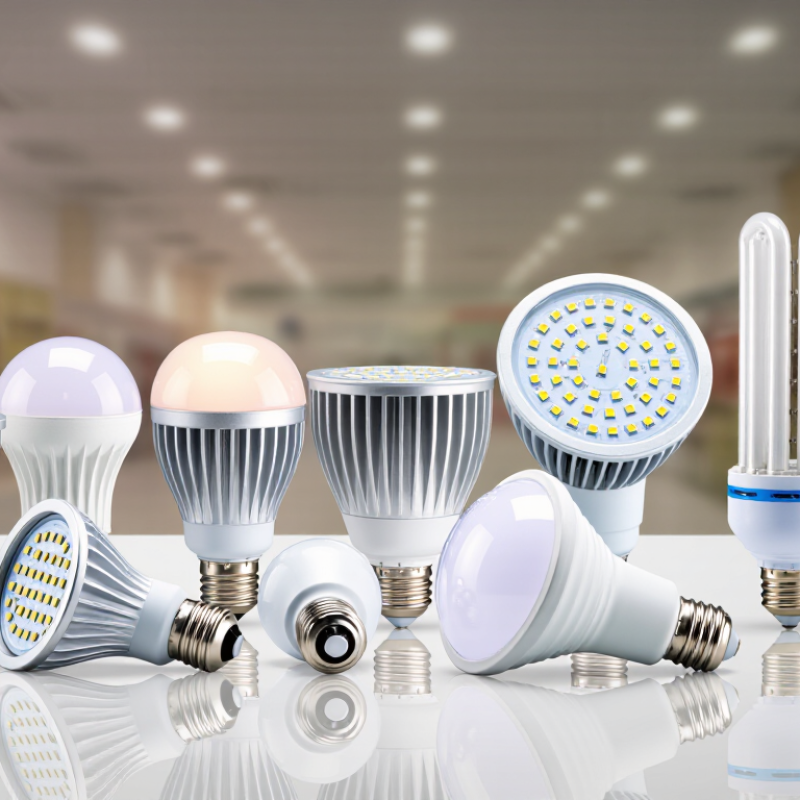
Wholesale buyers need more than wattage and a low invoice price. The right LED bulb depends on the commercial task, ceiling height, heat, and maintenance access. An A19 bulb suits offices and guest rooms. A BR30 works well in retail displays. A PAR38 handles outdoor signs and focused lighting. An MR16 fits hospitality accent fixtures. A G4 serves cabinet and decorative fittings. A T8 LED tube supports warehouses and corridors. A corn bulb upgrades older high-output fixtures. A high-bay bulb covers tall industrial ceilings. A streetlight bulb supports roads and parking areas. An emergency LED bulb protects evacuation routes.
Performance figures require careful checking. The U.S. Department of Energy reports that LEDs use at least 75% less energy than incandescent lamps and can last up to 25 times longer. Those savings matter across large portfolios. However, claimed life can fall in hot, enclosed fixtures. I have seen inexpensive lamps fail early in poorly ventilated ceilings. It happens. Buyers should request LM-79 photometric data, LM-80 maintenance evidence, color temperature, CRI, beam angle, and operating-temperature limits. The DesignLights Consortium also stresses verified efficacy and application suitability in commercial specifications. A 4000K bulb may improve warehouse visibility, but it can feel harsh in a hotel corridor. Dimming compatibility is another frequent blind spot. Test samples under real controls before ordering pallets. Ten categories do not mean ten universal solutions; site conditions still decide the better purchase.
Comparison of Performance, Pricing, Certifications, and Warranty
For wholesale buyers, the ten best LED bulbs in 2026 should be compared beyond the catalog price. A practical test begins with light output, energy efficiency, heat control, and consistency between samples. An 800-lumen, 9-watt bulb may appear efficient, but poor thermal design can shorten its useful life. Check efficacy, color temperature, CRI, beam angle, and flicker performance. Some figures look excellent. Real samples may differ.
Pricing should include packaging, freight, import charges, and expected replacement costs. A lower factory quote can become expensive after damaged cartons or unstable batches. Ask for pricing at several volume levels, such as 500, 5,000, and 20,000 units. I once focused too heavily on unit price. That was a mistake. Landed cost gave a clearer result. Also inspect carton strength, labeling accuracy, and pallet dimensions before ordering.
Certifications deserve careful verification, not just logo inspection. Request current test reports for electrical safety, electromagnetic compatibility, and restricted substances. Confirm that the documents match the exact bulb model and production site. Warranty terms should state duration, coverage, claim evidence, and replacement timing. Three to five years is common, but conditions vary. A strong warranty means little without responsive service. Keep samples from each shipment for later testing. Even good suppliers can show batch variation. Temperature, voltage, and storage conditions may expose weaknesses that a showroom test misses.
How to Select and Order the Right LED Bulbs for Your Business
Choosing among the 10 best LED bulbs for wholesale buyers in 2026 starts with the application, not the catalog price. A retail shop may need warm 2700K light, while a warehouse often needs cooler 4000K or 5000K lighting. Compare lumens, wattage, beam angle, color rendering, base type, voltage, and dimming compatibility. Check the actual product label, not only the supplier’s headline.
Order samples before committing to a full shipment. Install them in the intended fixtures and measure brightness after several hours. Watch for flicker, excessive heat, loose bases, and uneven color between bulbs. Ask for test reports, rated lifespan data, packaging details, and safety documents required in your destination market. A reliable supplier should explain tolerances clearly. Vague answers deserve caution.
Your purchase order should state the exact model, color temperature, lumen range, carton quantity, warranty terms, and acceptable defect rate. Confirm whether private packaging changes lead time. Keep a few replacement units for quality checks after delivery. Small details matter. I have seen buyers focus on unit price and overlook freight damage, mixed color batches, or incompatible dimmers. That mistake is expensive. Also, “long life” is not enough evidence; request testing conditions and realistic operating limits. Recheck your assumptions before placing the order.
10 Best LED Bulbs for Wholesale Buyers in 2026
How to Select and Order the Right LED Bulbs for Your Business
The chart compares typical commercial LED bulb formats using two practical wholesale criteria: luminous efficacy and rated life. Higher efficacy can reduce energy costs, while longer rated life can lower replacement and maintenance costs. Actual specifications vary by supplier, wattage, color temperature, dimming performance, and certification requirements, so buyers should confirm test reports and samples before placing a bulk order.