What is ASTM B265 Titanium Sheet and Its Applications?
The ASTM B265 Titanium Sheet is a critical component in various industries due to its unique properties. This sheet is known for its high strength-to-weight ratio and excellent corrosion resistance. As reported by market analysis, the titanium sheet market is projected to grow significantly, with a compound annual growth rate of 5.8% from 2020 to 2027. Industries like aerospace, marine, and chemical processing prominently utilize ASTM B265 sheets for their durability and reliability.
In aerospace applications, for instance, titanium sheets reduce weight without sacrificing performance. The aerospace sector accounts for over 30% of titanium consumption globally. However, the high cost of raw materials remains a challenge. Not all manufacturers meet the rigorous standards set by ASTM B265, making it crucial to rely on reputable suppliers.
The chemical and marine industries also leverage ASTM B265 Titanium Sheets for their resistance to extreme environments. These applications further underscore the importance of quality and compliance. The demand for titanium sheets is expected to rise, but companies must navigate an evolving market landscape. Ultimately, the choice of ASTM B265 sheets can significantly affect operational efficiency and performance.
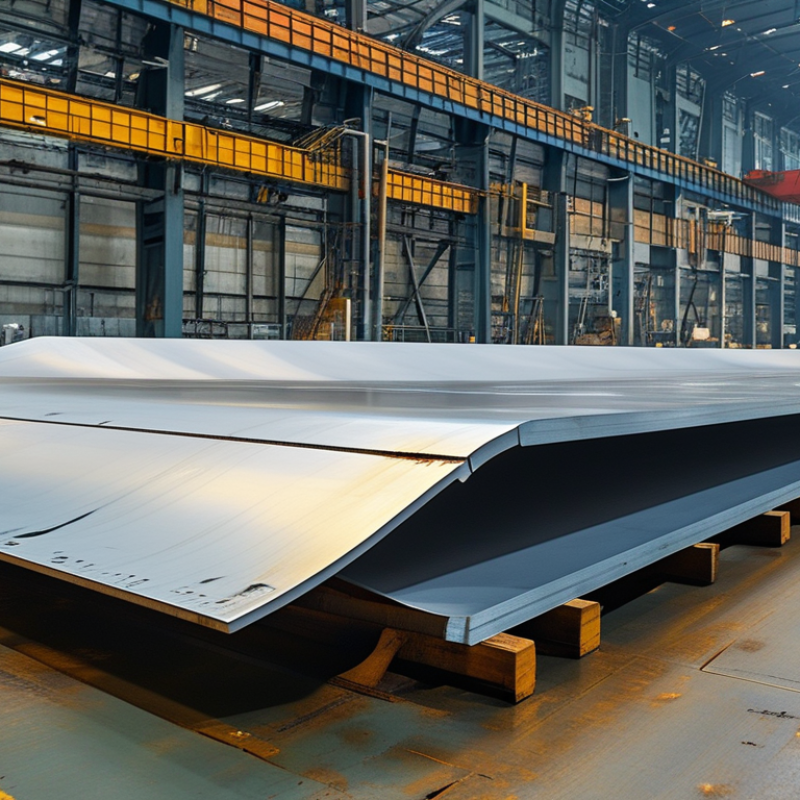
What is ASTM B265 Titanium Sheet?
ASTM B265 titanium sheet is a standard specification for titanium sheets and plates. This material is known for its high strength-to-weight ratio and corrosion resistance. It is widely used in various industries such as aerospace, medical, and marine applications. The designation ASTM B265 refers to specific manufacturing processes and material properties, ensuring consistent quality.
In aerospace, ASTM B265 titanium sheets are crucial. They help construct aircraft components requiring lightweight materials that withstand extreme environments. In the medical field, these sheets find applications in implants and surgical instruments, where biocompatibility is essential. Their resistance to corrosion is beneficial in marine applications, especially in shipbuilding.
Despite its advantages, handling and machining titanium sheets can pose challenges. They are more difficult to cut compared to aluminum. Sometimes, improper machining can lead to defects in the final products. These aspects remind users of the importance of expertise in working with titanium. Understanding these characteristics can enhance the use of ASTM B265 titanium sheets in various applications.
What is ASTM B265 Titanium Sheet and Its Applications?
| Property | Description |
| Material Type | Titanium Alloy |
| Grade | Grade 2 |
| Thickness | 0.5 mm - 25 mm |
| Standard | ASTM B265 |
| Density | 4.51 g/cm³ |
| Corrosion Resistance | Excellent in various environments |
| Applications | Aerospace, Medical devices, Chemical processing, Marine |
| Welding Methods | TIG, MIG, and Spot welding |
Key Properties of ASTM B265 Titanium Sheets
ASTM B265 titanium sheets have gained recognition for their unique properties. These sheets are made from commercially pure titanium. They exhibit excellent corrosion resistance, particularly in aggressive environments. A recent industry report indicates that titanium’s corrosion resistance can be up to 15 times better than that of steel under certain conditions. This makes ASTM B265 titanium sheets ideal for industries like chemical processing and marine applications.
Another notable property of ASTM B265 titanium sheets is their strength-to-weight ratio. Titanium is significantly lighter than steel but possesses comparable strength. For instance, titanium has a density of about 4.5 g/cm³, while steel is approximately 7.85 g/cm³. This characteristic enables engineers to design components that require less material while maintaining structural integrity. However, the cost of titanium sheets remains a barrier for some applications.
Moreover, titanium sheets are easily formable and can be welded. Industry experts emphasize that proper welding techniques must be followed to avoid contamination. Contamination can lead to defects and reduce the material's performance. Overall, the balance between titanium’s advantageous properties and its cost-effectiveness continues to be a focal point in the industry.
Manufacturing Processes for ASTM B265 Titanium Sheets
ASTM B265 titanium sheets are manufactured through processes that ensure high quality and performance. The most common methods include cold rolling and hot rolling. In cold rolling, titanium slabs are reduced in thickness at room temperature. This process enhances the material's strength and surface finish. Hot rolling, on the other hand, involves heating the titanium above its recrystallization temperature. It allows for better ductility and easier shaping, making it suitable for larger sheets.
Industry reports indicate that cold rolled ASTM B265 sheets often exhibit superior mechanical properties. These sheets can achieve tensile strengths ranging from 700 MPa to 900 MPa. Hot rolled sheets typically have slightly lower strength but offer exceptional malleability. According to a recent study by the International Titanium Association, the global demand for titanium sheets is projected to grow by 5% annually, driven by aerospace and medical applications.
Challenges exist in the manufacturing of these sheets. The difficulty of controlling oxidation during processing can impact final product quality. Additionally, achieving uniform thickness across large sheets can be technically demanding. Each production method comes with its own set of complexities, making expertise in the field vital for improving manufacturing outcomes. Ensuring the right conditions and techniques is critical for producing reliable ASTM B265 titanium sheets.
Applications of ASTM B265 Titanium Sheets in Various Industries
ASTM B265 titanium sheets are pivotal in various industries due to their unique properties. These sheets show exceptional resistance to corrosion and high temperatures. In the aerospace sector, they are crucial for components exposed to extreme conditions. According to a 2021 market report, the aerospace industry’s demand for titanium is projected to grow at a CAGR of 5.2%. This growth emphasizes the importance of ASTM B265 sheets in aircraft manufacturing.
The medical industry also benefits from these titanium sheets. Their biocompatibility makes them ideal for surgical implants and tools. A survey indicated that titanium implants have a 95% success rate. This data highlights the reliability and effectiveness of titanium in medical usage. Additionally, the chemical processing sector utilizes ASTM B265 sheets for equipment that must withstand harsh environments. The durability of these sheets helps in reducing maintenance costs over time.
Tip: When selecting titanium sheets, consider the specific requirements of your project, including environmental exposure and mechanical stress.
Each industry can leverage ASTM B265 sheets, but careful consideration is essential to maximize their potential. Evaluate procurement sources thoroughly to ensure you're getting the best quality. Not all suppliers meet stringent standards, which can affect performance and safety.
Advantages of Using ASTM B265 Titanium Sheets
ASTM B265 titanium sheets offer numerous advantages in various industries. These sheets are known for their exceptional strength-to-weight ratio. They are much lighter than steel yet can withstand greater stress. This makes them ideal for applications in aerospace and automotive sectors. The lightweight nature can improve fuel efficiency and performance.
Corrosion resistance is another significant advantage. Titanium sheets resist rust and chemicals, ensuring durability in harsh environments. This characteristic is particularly beneficial in marine applications, where exposure to saltwater can lead to rapid degradation of other materials. Furthermore, titanium is biocompatible, making it suitable for medical devices and implants.
Manufacturing with ASTM B265 sheets can be challenging. It requires specialized equipment and expertise to work with titanium effectively. Not all fabricators have the necessary skills. Quality control is paramount to ensure the end product meets rigorous standards of performance. Despite these hurdles, the benefits provide a strong case for their use across diverse fields. These sheets can ultimately enhance product longevity and reliability.