Top 10 Benefits of Indoor WPC Wall Panels for Your Home?
In recent years, Indoor wpc wall panels have gained immense popularity among homeowners. Their versatility and durability make them an attractive option for interior design. According to industry expert Mark Thompson, “Indoor WPC wall panels provide a unique blend of aesthetics and practicality.” This statement captures the essence of why many are turning to this innovative material.
Indoor WPC wall panels are made from wood plastic composites, offering a sustainable and eco-friendly choice. They resist moisture, making them perfect for kitchens and bathrooms. The various finishes available provide homeowners with endless design possibilities. However, choosing the right panel can be overwhelming. It's essential to consider your space and style.
Some might argue that indoor WPC wall panels can be costly. Re-evaluating your budget is key. High-quality panels might require a more significant initial investment but can save money long-term. Remember, not all brands are created equal, and quality matters. Conduct thorough research to ensure your selection meets both aesthetic and functional needs.
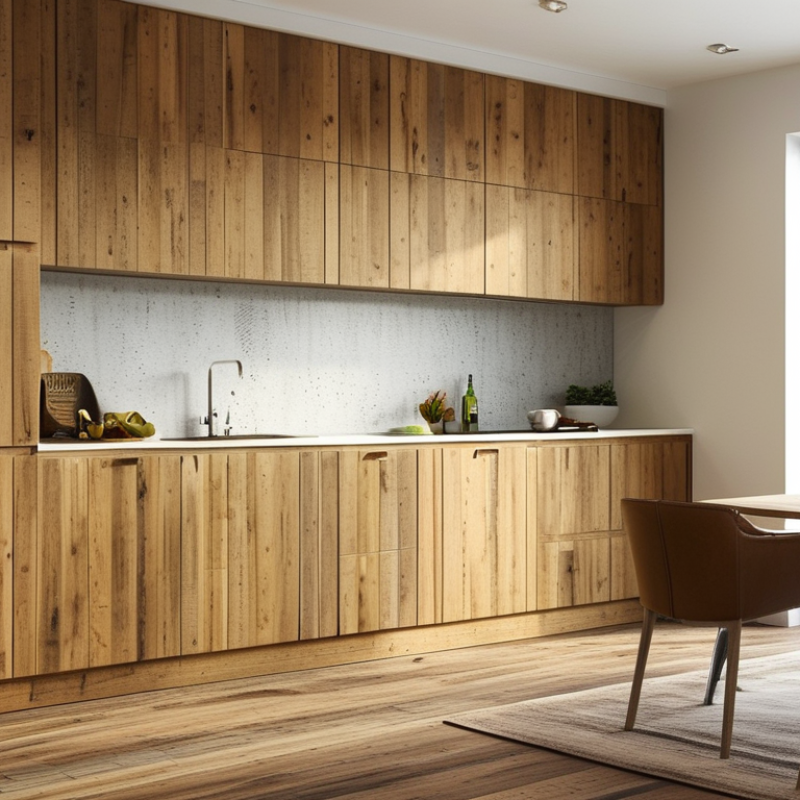
Advantages of WPC Wall Panels in Enhancing Indoor Aesthetics
Indoor WPC wall panels present a unique opportunity to elevate your home’s aesthetics. These panels mimic natural wood while providing durability and low maintenance. With a variety of textures and colors, they add a touch of elegance to any room. Install them in your living space or bedroom, and notice the instant warmth they bring.
One of the strengths of WPC panels is their versatility. They suit modern and traditional decor alike. This adaptability allows homeowners to express their style creatively. However, choosing the right finish can be a challenge. Consider testing samples to see what works best with your existing décor.
The eco-friendly nature of WPC materials enhances their appeal. Made from recycled materials, they reduce your carbon footprint. Still, it's essential to verify the sourcing of these materials for sustainability. Quality varies between manufacturers, so research is crucial. Trustworthy sources ensure you are making a responsible choice while beautifying your home.
Durability Metrics: Comparing WPC Panels to Traditional Wall Materials
Indoor WPC (Wood Plastic Composite) wall panels have emerged as a popular choice for home interiors. Their durability stands out when compared to traditional materials like drywall and wood. A recent industry report indicates that WPC panels have a significantly lower moisture absorption rate, about 50% less than hardwood. This helps prevent warping and decay, making them ideal for areas prone to humidity.
In terms of impact resistance, WPC panels score higher as well. Tests show they can withstand impacts at a level three times that of conventional wall surfaces. This means fewer dents and scratches, maintaining aesthetic appeal for longer periods. Homeowners often appreciate the ease of maintenance associated with WPC. It requires minimal cleaning and resists stains effectively. However, some may question the long-term performance of WPC under extreme conditions. It's essential to research installation methods to ensure optimal durability.
WPC’s thermal stability is another testament to its advantages over traditional materials. Reports suggest that WPC panels resist temperature fluctuations better, with expansion and contraction rates significantly lower than wood. This results in a more stable wall that can endure seasonal changes without showing signs of wear. While WPC panels offer impressive features, understanding their limitations in certain environments is crucial for making an informed choice.
Environmental Impact: The Sustainability of WPC Wall Panels in Homes
WPC (Wood Plastic Composite) wall panels are gaining attention for their sustainability. Made from a blend of wood fibers and recycled plastic, these panels significantly reduce waste. According to the Environmental Protection Agency, about 70% of plastic waste is not recycled. Using WPC helps mitigate this issue, promoting a circular economy.
WPC panels can last longer than traditional materials, reducing the need for replacements. This longevity is crucial for sustainability. A report from the Forest Product Laboratory indicates that WPC materials can last up to 25 years. This lifespan leads to fewer resources consumed over time. Furthermore, the production of WPC panels typically emits less carbon than that of wood alternatives.
However, not all WPC products are created equal. Some may contain harmful additives that undermine their eco-friendly claims. A study from the Journal of Cleaner Production noted that certain composites emitted toxic gases during production. Consumers must scrutinize products to ensure they support sustainability truly. It’s essential to balance benefits against potential shortcomings in the WPC market.
Cost-Effectiveness: Long-Term Savings with WPC Wall Panel Installations
Indoor WPC wall panels are gaining attention for their cost-effectiveness. These panels blend wood and plastic polymer, offering durability and aesthetic appeal. Their installation incurs a moderate upfront cost but yields significant long-term savings. Homeowners frequently notice lower maintenance expenses. Unlike traditional materials, WPC doesn’t warp or decay easily, reducing repairs over time.
The versatility of WPC wall panels also plays a vital role in savings. They are available in various styles and finishes. This adaptability eliminates the need for extra expenses like repainting or refinishing. Moreover, WPC panels provide excellent insulation. This can lead to reduced energy bills, another financial advantage that encourages homeowners to invest.
Yet, some may overlook potential drawbacks. The initial investment might seem high for first-time buyers. Also, the variety of options can be overwhelming, making the selection process confusing. Remember to factor in all potential costs and benefits. Investing in quality panels can minimize regrets and maximize long-term value.
Installation Flexibility: How WPC Panels Simplify Home Renovation Projects
When it comes to home renovation, installation flexibility is a game-changer. WPC wall panels offer an easy solution for homeowners. Their lightweight nature allows for simple handling during installation. This means less strain on your back and more efficient use of time. You can achieve a fresh look without hiring a professional for every step.
The versatile design of WPC panels is impressive. They can be used in various rooms, adapting to your home’s unique style. Whether it’s the living room or a cozy nook, these panels provide options. They come in many colors and textures, making them visually appealing. Homeowners may find that they can mix and match styles, enhancing creativity in their projects. However, it’s essential to plan carefully. The wrong choice may lead to an unsatisfactory look, which is frustrating.
Even with their advantages, there can be challenges. One common issue is misalignment during installation. If not handled properly, this can ruin the overall aesthetic. Homeowners should take their time and measure correctly. A little extra effort in preparation can save a lot of headaches later. WPC panels are not just practical; they encourage thoughtful home design.
Top 10 Benefits of Indoor WPC Wall Panels for Your Home