How to Choose the Best Concertina Doors for Your Space?
Choosing the best concertina doors for your space can seem daunting. These doors are versatile and stylish. They can transform any area, providing both function and aesthetics.
When selecting concertina doors, consider the materials. They come in wood, aluminum, and PVC. Each option has its unique benefits and drawbacks. Wood offers warmth but requires maintenance. Aluminum is durable but can be cold. PVC is lightweight and often cost-effective yet might lack character.
Think about the space’s purpose. Will it be used frequently? Will it need sound insulation? Reflect on your lifestyle. The perfect concertina doors will seamlessly blend with your decor and serve your needs. As you explore options, remain open to revisions in your choices. It is a balance between beauty and practicality, and sometimes the ideal solution may not be what you initially expected.
Understanding Concertina Doors and Their Benefits
Concertina doors, also known as folding doors, offer a unique solution for space management. They are perfect for creating flexible spaces. When you need to open up a room, these doors fold neatly away. This maximizes the usable area. Their design allows for smooth transitions between spaces.
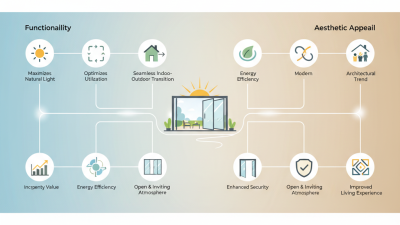
One of the key benefits is their aesthetic appeal. Concertina doors come in various materials and styles. This means you can match them with your room's decor. Moreover, they provide natural light, making spaces feel larger. However, it is essential to consider where to install them. Poor placement can lead to operational issues.
Durability varies among different types of concertina doors. Some materials may wear out faster than others. Regular maintenance is required to ensure longevity. If not, you might find yourself dealing with problematic doors. It's all about finding the right balance between beauty and function.
Key Factors to Consider When Selecting Concertina Doors
Choosing the right concertina doors can significantly enhance your space. Several key factors should guide your selection process. The design and style of the doors should match your interior decor. Think about colors and finishes that will complement your walls.
Material is crucial too. Concertina doors come in various materials like wood, aluminum, and PVC. Each has distinct advantages. Wood provides warmth, while aluminum is durable and modern.
Tips:
Consider sound insulation. Some materials offer better noise control, which can affect comfort levels in your space. Also, analyze the available space. Ensure that the door won’t block pathways or furniture when opened.
Lastly, think about functionality. How often will you use these doors? If they will be a daily feature, choose options that are easy to operate. Sometimes, simplicity works best. Doors can vary in ease of use. Reflect on what will serve your needs best.
How to Choose the Best Concertina Doors for Your Space? - Key Factors to Consider When Selecting Concertina Doors
| Factor |
Description |
Impact on Selection |
| Material |
Choose between wood, aluminum, or PVC based on durability, aesthetics, and maintenance. |
Affects the door’s lifespan and how it complements your decor. |
| Size |
Measure the opening space accurately to ensure a proper fit. |
Prevents gaps and ensures functionality. |
| Design |
Look for styles that enhance the theme of your space. |
Impacts overall aesthetic appeal. |
| Insulation |
Choose options with good thermal and acoustic insulation properties. |
Affects energy efficiency and comfort level. |
| Operation Type |
Manual or automated options depending on convenience needs. |
Enhances user experience. |
Materials Used in Concertina Doors: A Comprehensive Overview
When selecting concertina doors, the materials play a crucial role. Common materials include aluminum, vinyl, and wood. Each has distinct properties that impact durability, aesthetics, and maintenance. For instance, aluminum offers high resistance to corrosion and rust, making it a practical choice for humid areas. According to recent industry reports, aluminum doors can last up to three times longer than traditional timber ones in certain climates.
Vinyl, on the other hand, provides a budget-friendly option. It’s lightweight and often used in residential settings. However, some professionals argue that vinyl may lack the structural integrity needed for high-traffic areas. Data indicates that while vinyl doors can be affordable, they usually require replacement every five to seven years due to wear and tear.
Wood provides an elegant finish, enhancing interior spaces. However, it can be susceptible to moisture damage. In regions with high humidity, wood doors often need protective finishes. Surveys reveal that around 30% of homeowners regret not considering climate suitability when installing wood concertina doors. This oversight can lead to higher maintenance costs and dissatisfaction in the long run. Choosing the right material requires careful consideration of both aesthetics and functional needs.
Design and Style Options for Concertina Doors in Various Spaces
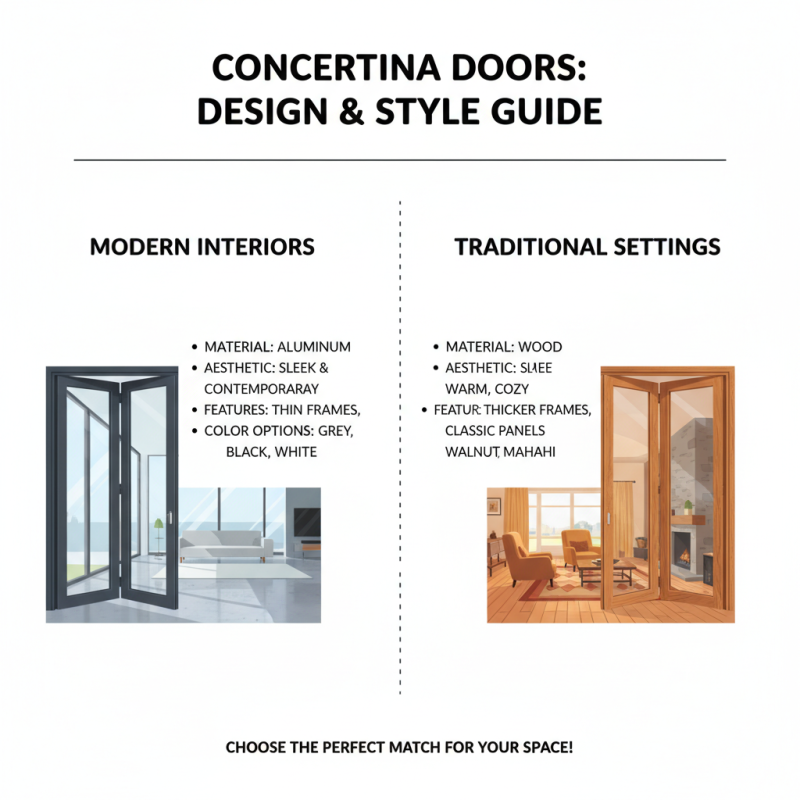
When it comes to concertina doors, design and style options play a vital role. These doors come in various materials, like wood and aluminum. The choice depends on the overall aesthetic of your space. For instance, sleek aluminum works well in modern interiors. Warm wood adds a cozy feel in traditional settings.
Color choice is also crucial. Neutral tones blend seamlessly into any décor. Bold colors can make a statement and add personality. Patterns and finishes further enhance the look. Frosted glass inserts offer privacy while filtering light. You can consider textured finishes for added depth, yet they can demand more maintenance.
However, it's essential to think about functionality. Some styles may look appealing but might not be practical for everyday use. Reflect on space constraints; bulky designs can obstruct movement. Not every design suits every room. Planning is key to ensuring your concertina doors are both stylish and functional.
Installation and Maintenance Tips for Concertina Doors
When considering concertina doors, proper installation and maintenance are crucial. According to industry reports, poorly installed doors can lead to operational issues in over 30% of cases. This highlights the importance of following best practices during installation. Ensure the opening is level and plumb. If not, adjustments may be needed. A professional installer can minimize risks of future problems.
Regular maintenance is equally vital. It’s recommended to clean tracks and hinges monthly to prevent wear and tear. Neglecting maintenance can reduce the lifespan of the doors significantly. About 20% of users report issues due to lack of upkeep. Lubricating hinges and ensuring the door panels fold smoothly are simple tasks that make a difference.
Though concertina doors offer flexibility, they require awareness of potential issues. Users occasionally overlook small repairs that can lead to more significant problems later. Addressing squeaks and misalignments promptly can save time and money. Observation and commitment to maintenance will enhance functionality and extend the lifespan of these valuable space-saving solutions.