What Are the Best Folding Doors in 2026?
Choosing the best folding doors in 2026 is less about chasing a single “top” label and more about matching the system to your room, climate, and daily use. A good shortlist starts with the opening itself: measure the clear width, ceiling height, and space needed when panels fold back. Small details matter. Track design, hinge quality, locking points, and weather seals affect how smoothly doors move and how well they resist drafts. Materials also change the experience. Aluminium can support slim frames, while timber brings warmth but needs regular care. Neither choice is automatically best.
Before comparing brands, decide whether the doors will connect a living room to a patio, divide interior spaces, or replace a conventional exterior opening. These uses call for different priorities. Look for documented performance figures, compatible glazing, clear warranty terms, and installation guidance. Ask who handles adjustments if the panels settle. Energy efficiency and security depend on the complete door assembly and careful fitting, not just a headline feature. A showroom demonstration is useful, but it cannot reproduce your floor level, wind exposure, or family’s habits. That’s the awkward part. This guide compares practical options and trade-offs, while treating ratings and specifications as evidence to check—not guarantees. The best choice may cost more, or may simply be the one that fits correctly and stays easy to operate.
How Folding Doors Work and Where They Fit
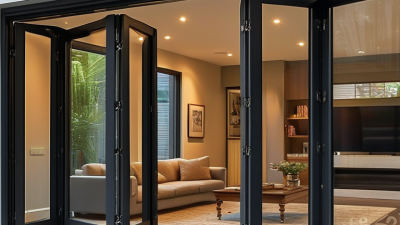
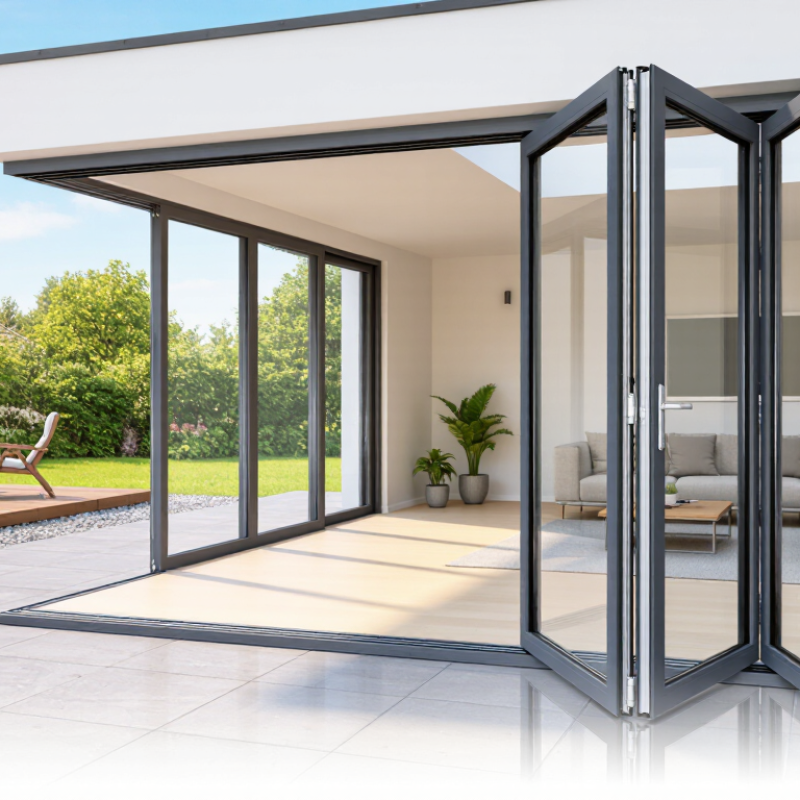
Folding doors use hinged panels that travel along a track, then stack to one or both sides of an opening. When closed, the panels form a barrier; when opened, they create a wider passage than a typical hinged door. Top-hung systems carry much of the panel weight overhead, while some designs also use a floor guide. Smooth movement depends on accurate installation and clean, unobstructed tracks. Small alignment errors can make a door feel stubborn.
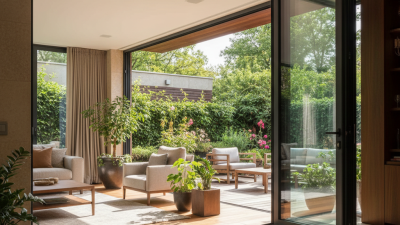
These doors suit patios, garden rooms, and wide interior openings where a clear passage matters. They can also divide living areas, though they usually offer less sound separation than a solid wall. Measure the opening, stacked-panel space, and nearby furniture before choosing a layout. Check how the door handles rain exposure, insulation needs, and everyday traffic. A beautiful opening is not useful if the panels block a walkway. I have seen that detail overlooked.
Tips: Keep tracks free of grit, and test the panels before finalizing furniture placement. Ask an installer to check the opening’s level and support. A little clearance matters.
Which Folding Door Types Suit Different Spaces?
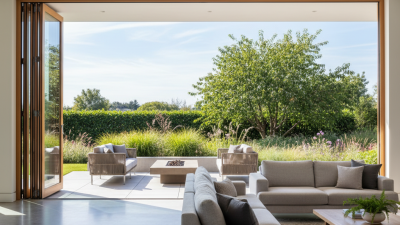
Folding doors work best when their opening pattern matches the room. For a wide patio opening, multi-panel bifold doors can stack to one side and connect indoor and outdoor spaces. Check the folded stack before choosing: it still takes up wall or floor area. Threshold height matters too, especially where people use wheelchairs or pushchairs.
For compact rooms, a slim concertina-style door can separate a laundry nook, pantry, or home office without needing a full swing arc. It is practical, but the narrower panels and track may feel less substantial than a hinged door. Measure the opening at several points. Walls are not always perfectly square.
Interior room dividers suit open-plan homes when privacy needs to change through the day. Glazed folding panels can share daylight between spaces, while solid panels offer more visual separation. For bedrooms or busy work areas, check how well the panels close and whether gaps affect sound. They rarely block noise like a sealed wall. That can be disappointing. Compare track design, panel weight, cleaning needs, and installation conditions before deciding; the right type depends on how the space is actually used.
How to Compare Folding Doors in 2026
What Are the Best Folding Doors in 2026?
Comparing folding doors starts with the opening itself. Measure its width, height, and depth at several points; older walls are rarely perfectly square. Then consider how often the doors will move and where the panels will stack. A wide opening may look impressive, but stacked panels can block a switch, radiator, or part of a walkway. Small details matter.
Compare frame material, glass performance, hardware, and installation as a complete system. Ask for documented thermal and weather ratings, and check that they suit your climate and project requirements. Look closely at the threshold: a low sill can ease access, while drainage and weather protection still need attention. In a showroom, slide and fold each panel. Listen for scraping, test the handle, and notice whether the panels feel stable. Smooth movement is useful, but it does not prove long-term durability.
Get an itemized quote that separates the doors, glazing, fitting, and finishing work. Confirm who measures the opening and adjusts the tracks after installation. Also ask how rollers, seals, and locks can be serviced; these parts may need attention over time. I would not choose by glass area alone. It is easy to overlook daily cleaning, glare, or where folded panels sit. A little uncertainty remains until the actual opening is measured.
What Should Buyers Know About Installation and Maintenance?
Folding doors can transform a patio opening, but their many panels and tracks demand careful installation. The frame must be square, level, and securely supported; even slight movement can make panels drag or leave uneven gaps. Ask the installer how they will manage sill drainage, weather seals, and the door’s weight. The U.S. Department of Energy’s Energy Saver guidance estimates that windows account for 25–30% of residential heating and cooling energy use. That is not a folding-door estimate, but it highlights why well-sealed glazing matters. Small gaps matter.
Tips: Before installation, clear the opening and confirm finished floor height. Ask for written instructions on track cleaning, hardware adjustments, and warranty care. Photograph the sill and frame before they are covered; it can help if questions arise later.
Maintenance is simple, but easy to neglect. Vacuum grit from the track, then wipe it with a soft cloth; debris can impede rollers. Clean seals gently and check for cracks, loose screws, or water pooling after heavy rain. Follow the manufacturer’s care guidance for lubricants, since some products can attract dirt or damage components. If the panels suddenly resist movement, stop forcing them and check for obstructions or alignment changes. I would not assume every sticking door needs new hardware; settling or a dirty track may be the quieter cause.