
Get a Quote

10 Best Laminate Plank Flooring Options for 2026

Choosing a laminate floor is not only about finding the right oak tone. It is about matching the plank’s construction, finish, and installation requirements to the room. A sunlit kitchen, a busy hallway, and a quiet bedroom face different demands. The best-looking sample may not be the best fit. That is worth remembering.

Brett Miller, an established flooring-industry educator, offers a useful selection principle: “Choose flooring for the conditions it must handle, not only for the look you want.” Use that idea while comparing these 10 Laminate Plank options for 2026. Check wear-layer details, edge design, warranty terms, and the manufacturer’s cleaning guidance. Then inspect a full-size sample at home. A small swatch can hide texture and color shifts.

Some details are easy to miss. Like plank thickness. Or sound underfoot. Installation can also change the result, especially over uneven subfloors. Product claims deserve a careful read, since performance depends on both the material and its use. This guide weighs practical features alongside style, while recognizing that no single floor suits every household. The right choice should look convincing in your light and feel sensible under daily traffic. That is the real test.
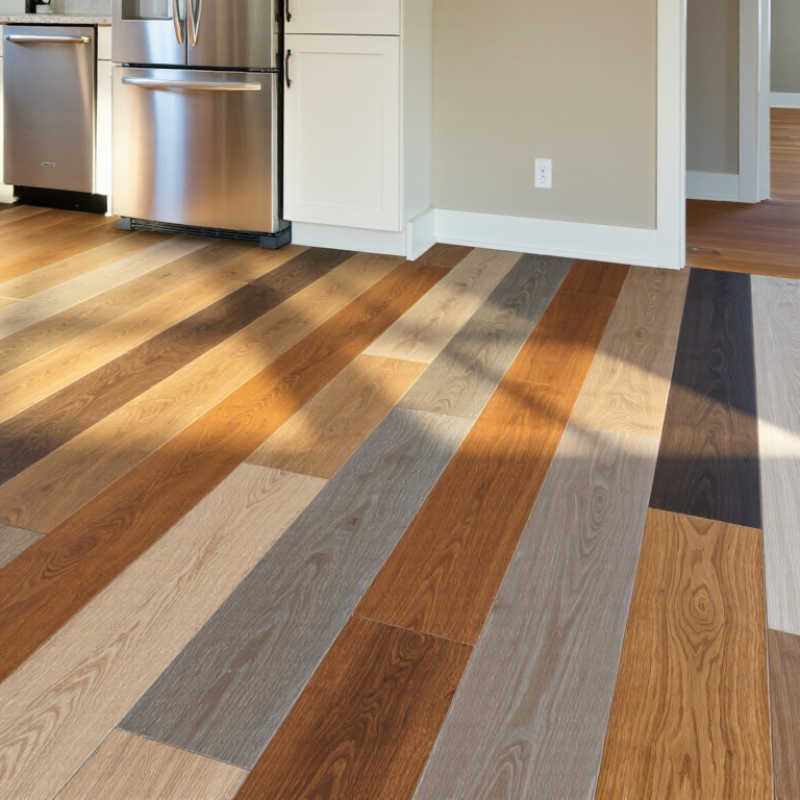
10 Best Laminate Plank Flooring Options for 2026

Understanding Laminate Plank Flooring and Its Core Features

Laminate plank flooring is a layered product designed to resemble wood while handling everyday household wear. Its surface usually includes a transparent wear layer over a printed image, a dense fiberboard core, and a stabilizing backing. The printed layer creates the visible grain; the wear layer helps resist scratches and stains. It is not solid wood, and a convincing pattern does not make it one.

The core affects how planks feel underfoot and how well their joints hold together. Many products use click-lock edges, allowing planks to connect without surface nails. Installation still depends on a clean, level subfloor. Even a small ridge can cause movement or clicking later. Check the product’s installation instructions for expansion gaps and acclimation guidance, since requirements vary.

Water resistance needs careful reading. Some planks tolerate brief spills, but standing water can seep through joints and swell a fiberboard core. That distinction matters. A damp cloth is generally different from a leaking dishwasher left unnoticed overnight. Plank thickness, wear-layer rating, and attached underlayment can also influence durability and sound. I once assumed a thicker plank would always feel quieter; the room’s subfloor and furnishings mattered more than expected. A sample viewed beside a window can reveal whether its printed texture and color look natural in your actual light.

How the 2026 Top 10 Options Were Selected

The 2026 shortlist was built around practical performance, not appearance alone. Each option was compared using published specifications, care instructions, warranty terms, and recurring themes in customer feedback. Key checks included plank thickness, wear-layer details, water-resistance wording, installation method, and stated subfloor requirements. A product that looked convincing in a room photo still needed clear information about everyday upkeep.

Durability claims were examined carefully. “Water-resistant” can describe limited spill protection, not a floor that tolerates standing water. We also considered surface texture, edge design, and how easily a plank might show dust or scratches under side lighting. Installation guidance mattered, too: uneven subfloors and tight door clearances can turn a simple project into extra work. Details matter.

Value included more than the listed price. We weighed likely installation needs, replacement-plank availability, and warranty exclusions alongside appearance and reported comfort underfoot. Customer reviews helped reveal patterns, such as chipped corners or tricky locking joints, but they were not treated as controlled tests. Ratings can be noisy, and household use varies. The scoring also involves judgment; a quieter, softer-feeling floor may matter more to one home than a tougher finish. These limits were kept in view while selecting options for different rooms, budgets, and maintenance preferences.

10 Best Laminate Plank Flooring Options for 2026 — How the 2026 Top 10 Options Were Selected
Rank Laminate Option Suggested Specification Best-Fit Use Selection Rationale Key Check Before Buying
1 Balanced everyday wood-look plank 8–10 mm; AC3 wear rating; standard plank format Living rooms, bedrooms, and regular household traffic A practical balance of residential durability, appearance, and cost. Confirm the wear rating, warranty terms, and required underlayment.
2 Water-resistant family-room plank 8–12 mm; AC3 or AC4; clearly stated water-resistance period Busy homes where occasional spills may occur Pairs everyday wear protection with a defined, limited water-resistance claim. Check the exact spill-cleanup time and whether seams or edges are covered.
3 High-traffic commercial-use plank 10–12 mm; AC4 wear rating Entryways, home offices, and light commercial spaces AC4 is intended for general commercial use and can suit demanding residential areas. Verify that the installation location is permitted by the product warranty.
4 Budget-conscious residential plank 7–8 mm; AC3 wear rating where available Guest rooms and lower-traffic areas Prioritizes basic residential functionality where heavy wear resistance is less critical. Inspect the locking profile and check whether a separate underlayment is required.
5 Wide-plank oak-look option 8–12 mm; AC3 or higher; wide format stated on the package Open-plan rooms and spaces where a broad-plank look is desired Offers a popular wood-inspired appearance while retaining laminate’s layered construction. Measure the room and confirm the recommended expansion gaps and layout.
6 Stone-look laminate plank 8–10 mm; AC3; stone-inspired printed surface Kitchens and dining areas where a tile-like appearance is preferred Provides a stone or tile visual without being a stone or ceramic floor. Check surface texture, edge detail, and the manufacturer’s moisture guidance.
7 Textured, embossed wood-look plank 8–12 mm; AC3 or AC4; textured surface finish Living areas where a more pronounced wood-grain look is wanted Surface texture can make the printed wood pattern appear more dimensional. View a full-size sample; texture and sheen can look different under room lighting.
8 Attached-underlayment option 8–12 mm; AC3 or higher; pad attached if specified Installations where simplifying the flooring-layer setup is useful An attached pad may reduce the need to buy a separate underlayment, subject to installation rules. Do not add another underlayment unless the installation instructions allow it.
9 Long-plank visual option 8–12 mm; AC3 or higher; longer plank dimensions listed by the maker Large rooms and layouts that benefit from fewer visible end joints Longer boards can create a more continuous visual flow when the room layout suits them. Check room dimensions, stagger requirements, and the number of boards per package.
10 Higher-wear commercial-grade option 10–12 mm; AC5 wear rating Very busy commercial interiors where the product is approved for the site AC5 is intended for heavy commercial use; it may be more than many homes require. Confirm suitability for the subfloor, moisture conditions, and intended installation area.

How these options were selected: The shortlist compares intended use, stated abrasion class, thickness, format, surface style, and installation considerations. These are generic product profiles, not named or independently tested products. Specifications vary by product; check the current packaging and installation instructions. AC wear classes describe abrasion performance and do not, by themselves, establish that flooring is waterproof.

Comparing the 10 Best Laminate Plank Flooring Options for 2026

Comparing the ten best laminate plank flooring options for 2026 means looking beyond color. Water-resistant planks suit busy kitchens, while thicker boards can feel steadier underfoot. Embossed textures add grain detail; matte finishes hide small scuffs better than glossy surfaces. Wide planks make compact rooms feel open, but narrow planks can look more traditional. Budget options save money, though their surface layers may show wear sooner. Attached underlay can simplify installation. Higher abrasion ratings help in active homes. Reclaimed-wood looks add character, while pale finishes brighten dim rooms. No option wins everywhere.

Tips: Bring samples home. View them beside your cabinets in daylight and at night. Check the warranty, wear rating, plank thickness, and moisture instructions; “water resistant” does not mean waterproof.

Compare the finalists on the same subfloor and installation needs. A textured plank may disguise crumbs, yet its grooves can take longer to clean. A thicker board is not automatically quieter without suitable underlay. Ask how edges are sealed and whether damaged planks can be replaced individually. I once favored a dramatic dark sample, then noticed every dusty footprint. That preference may not suit every household, so judge samples in the room where they will be used.

10 Best Laminate Plank Flooring Options for 2026

Comparing common laminate plank profiles by nominal thickness.

Thicker laminate can feel more substantial underfoot, but thickness alone does not determine durability or water resistance. These are representative configurations, not brand-specific product listings; actual specifications and availability vary.

Choosing the Right Planks for Your Home and Budget

Choosing laminate plank flooring starts with the room, not the color. In a busy hallway, look for a clearly stated abrasion class and a locking system designed for frequent use; in a guest room, comfort and appearance may matter more. Check the product’s moisture limits before using it near sinks or exterior doors. Laminate is not automatically waterproof. A 2024 Houzz & Home Study reported a $24,000 median renovation spend for U.S. homeowners in 2023, across projects—not flooring alone. That figure is a reminder to budget for underlayment, trim, floor preparation, and installation, not just the carton price.

Compare samples in your actual light. A gray plank can look blue beside a sunny window, while embossed texture may hide small scuffs better than a smooth finish. Ask for written details on wear classification, warranty exclusions, and approved cleaning methods. For technical context, the North American Laminate Flooring Association’s certification program evaluates performance factors such as abrasion and impact resistance. Still, a rating cannot predict every household’s experience. I would not choose by thickness alone; subfloor flatness and careful installation matter, and those costs are easy to underestimate.

Tips: Order extra planks for cuts and future repairs, and test a sample beside your cabinets. Get an itemized quote. Tiny details add up.

Installation, Maintenance, and Long-Term Performance

10 Best Laminate Plank Flooring Options for 2026
Installation, Maintenance, and Long-Term Performance

Good laminate performance starts beneath the planks. A flat, clean subfloor helps prevent movement, clicking, and stressed joints. Follow the flooring’s installation instructions for underlayment, expansion gaps, and acclimation; these requirements vary. The North American Laminate Flooring Association’s LF-01 certification standard evaluates properties including abrasion, impact, staining, and moisture resistance. Those tests offer useful context, but they cannot guarantee performance in every room. Small details matter.

Tips: Keep spare planks from the same lot for future repairs. Use felt pads under chair legs, sweep grit before it scratches the surface, and wipe spills promptly. Avoid soaking the floor during cleaning.

For upkeep, use a lightly damp microfiber mop rather than a dripping one, and avoid abrasive powders. The U.S. Environmental Protection Agency recommends indoor relative humidity below 60%, ideally 30–50%, to help control moisture problems. Stable indoor conditions may reduce stress on flooring, though they cannot fix a wet subfloor or a leak. Inspect seams near sinks and exterior doors; swelling at an edge deserves attention. A repair may be possible, but replacing a damaged plank can be awkward after furniture is in place.

Back to top