China Best Screen Door Parts Supplier?
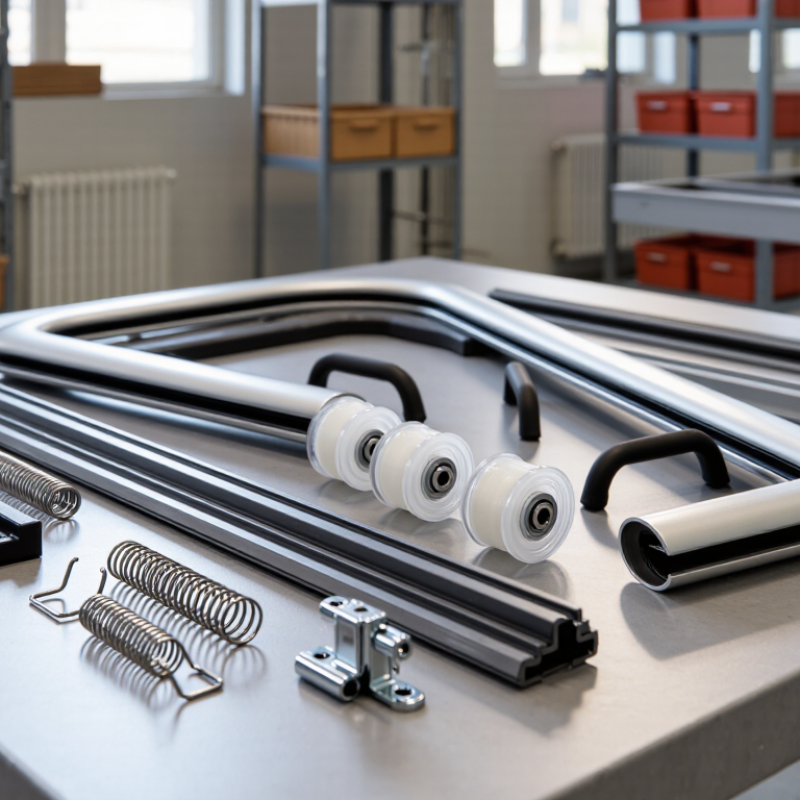
Choosing the right China Best Screen Door Parts Supplier requires more than comparing prices. It demands evidence, product knowledge, and practical factory experience. Screen Door Parts include rollers, tracks, handles, latches, springs, corner connectors, and replacement mesh. Each component affects smooth movement, weather resistance, and customer satisfaction.
Industry data provides useful context. Grand View Research’s global doors market analysis identifies renovation, residential construction, and energy-conscious building upgrades as important demand drivers. The Freedonia Group’s residential windows and doors research also highlights replacement activity and component durability as key purchasing considerations. However, these reports rarely isolate screen door hardware. Their broader figures should not be treated as exact niche-market measurements. That distinction matters.
A reliable Chinese supplier should show more than a polished catalogue. Ask for material specifications, load-testing records, dimensional tolerances, coating details, and sample approval procedures. Aluminum frames should resist corrosion, while nylon rollers should move quietly across the track. Small details matter. A one-millimeter size error can cause sticking, rattling, or early wear.
China’s manufacturing network offers strong tooling capacity, flexible customization, and competitive production costs. Yet supplier quality can vary widely. Some factories communicate well but provide weak inspection evidence. Others offer excellent samples but struggle with large orders. No supplier is perfect. That assumption needs testing through factory audits, reference checks, pre-shipment inspections, and clear packaging requirements. This guide explains how to evaluate a China Screen Door Parts supplier with practical standards, credible documentation, and realistic expectations.
What Makes a China Screen Door Parts Supplier “Best”?
What Makes a China Screen Door Parts Supplier “Best”?
A strong supplier offers more than low prices. It provides consistent dimensions, clean finishes, and parts that fit common screen-door systems. U.S. Department of Energy guidance says windows and doors can account for 25% to 30% of residential heating and cooling energy use through heat gain and loss. A poorly fitting roller, latch, or seal can weaken that barrier. Small parts matter.
Material records should identify alloy grades, mesh composition, coating thickness, and batch numbers. Practical checks include caliper measurements, salt-spray testing, cycle testing, and sample assembly before mass production. A supplier with ISO 9001 certification may have a controlled quality system; the ISO Survey 2023 recorded more than 1.2 million valid certificates worldwide. Certification helps, but it does not replace product inspection.
The best supplier also communicates clearly. Technical drawings should show tolerances, hole spacing, spring strength, and packaging details. Traceable inspection reports reduce disputes. In my experience, a supplier that admits a failed sample is more trustworthy than one promising perfection. That honesty matters. Yet buyers should still verify claims through independent testing and a small trial order. One overlooked detail—such as a warped track or brittle plastic corner—can create returns across an entire shipment. Cost matters, but repeatable quality, responsive engineering, and reliable documentation define real value.
Material and Quality Standards: Aluminum, Fiberglass, Stainless Steel, and ISO 9001
China Best Screen Door Parts Supplier? The answer depends on verified material and quality controls. Aluminum frames should resist bending, corrosion, and coating damage during repeated installation. The International Aluminium Institute reported global primary aluminum production above 70 million tonnes in 2023. This scale supports stable supply, but it does not guarantee suitable alloy or temper. Request alloy certificates, coating records, and dimensional inspection reports.
Fiberglass mesh needs consistent aperture size, tensile strength, and weather resistance. A mesh that feels soft may stretch around the spline groove. Stainless steel parts require clear grade identification, especially for coastal projects. Lower-grade steel can show tea staining near saltwater. Product testing should include corrosion exposure, opening cycles, pull resistance, and fastener fit. Small details matter.
ISO 9001 provides a useful framework for documented processes and corrective action. ISO’s 2022 Survey recorded 1,265,216 ISO 9001 certificates worldwide. However, certification does not certify every screen door component. Suppliers should connect each batch to inspection records and retained samples. Ask for measurable tolerances, not general promises. In practice, I have found packaging quality easy to overlook. Bent corners often begin with weak carton protection, not poor aluminum. That is an imperfect lesson. A reliable supplier should welcome independent inspection before shipment.
Supplier Evaluation Metrics: MOQ, Lead Time, Defect Rate, Tooling, and OEM Capacity
China Best Screen Door Parts Supplier?
A dependable screen door parts supplier should be judged by measurable evidence, not catalog size. Request the MOQ for each item, including screws, mesh rollers, and replacement handles. A 1,000-piece MOQ may suit a distributor but strain a small repair program. Ask whether mixed colors or sizes are allowed. Confirm lead time separately for samples, tooling, production, and inspection. A quoted 20-day delivery may exclude mold preparation and export handling.
Defect rate deserves careful checking. The American Society for Quality identifies 3.4 defects per million opportunities as the Six Sigma benchmark. This is an ambitious target, not an automatic supplier promise. Ask for recent inspection records, corrective-action reports, and lot-level traceability. Inspect dimensions on arrival, especially roller diameter and frame compatibility. One overlooked millimeter can cause field returns. My own evaluation mistake was trusting a polished sample too quickly.
Tooling terms should state ownership, maintenance, storage, and replacement costs. Ask for mold-life estimates and approval samples before mass production. OEM capacity requires more than a logo or custom color. Check engineering drawings, material certificates, packaging tests, and production backup plans. The 2024 MHI Annual Industry Report reported that 55% of supply chain professionals increased technology investment, showing why digital production records matter. Still, software dashboards can hide weak factory discipline. Visit the production line when possible, and compare promised capacity with actual monthly output.
How to Compare Chinese Suppliers Through Samples, Audits, and Factory Data
China Best Screen Door Parts Supplier?
How to Compare Chinese Suppliers Through Samples, Audits, and Factory Data
A reliable comparison starts with physical samples, not online photos. Request rollers, hinges, handles, mesh, and frame sections from the same production batch. Measure hole spacing, metal thickness, coating consistency, and operating force. Test each part repeatedly on a real screen door. Check for noise, looseness, sharp edges, and color changes after cleaning. Small details matter.
Samples can mislead. A supplier may send its best items. I once focused too much on appearance and missed uneven spring tension. That mistake changed my inspection process. Ask for random samples from current stock. Compare them with the approved sample. Record measurements with dated photos. Keep the weak pieces, too.
An onsite audit should examine raw material storage, machining, assembly, packaging, and final inspection. Review calibration records for gauges and torque tools. Check whether workers follow written procedures. Factory data adds useful evidence. Request monthly output, defect rates, rework records, production capacity, and recent delivery performance. Match those figures with purchase orders and inspection reports. A high capacity number means little without stable quality records. Ask who controls changes to molds, materials, and packaging. Visit the testing area. Look for real records, not only prepared displays. Reliability is built through repeatable evidence, careful questions, and verified production habits.
How to Compare Chinese Screen Door Parts Suppliers
A practical supplier-screening model that prioritizes sample consistency, audit evidence, factory data, and traceability before commercial negotiations.
The percentage values represent recommended evaluation weights for a non-brand-specific procurement scorecard. Verify each supplier with physical samples, audit records, production data, and traceability documents.