China Top Aluminium Sliding Doors for Global Buyers?
The demand for aluminium sliding doors has surged in recent years, driven by their versatility and durability. Market research indicates that the global aluminium door market is expected to reach USD 145 billion by 2026, with a notable share attributed to sliding doors. These doors offer aesthetic appeal and energy efficiency, aligning with modern architectural trends.
In China, manufacturers are focusing on innovation and quality to meet global standards. China's aluminium sliding doors are renowned for their strength and lightweight properties. However, challenges persist, such as the need for sustainable production practices. The industry must balance quality with environmental responsibility while maintaining competitive pricing.
Despite the growth potential, some buyers express concerns regarding supply chain reliability and varying product standards. Ensuring consistent quality across different manufacturers remains crucial. Buyers should seek suppliers with established track records and certifications. Ultimately, choosing the right aluminium sliding doors involves careful consideration of both functionality and ethical sourcing.
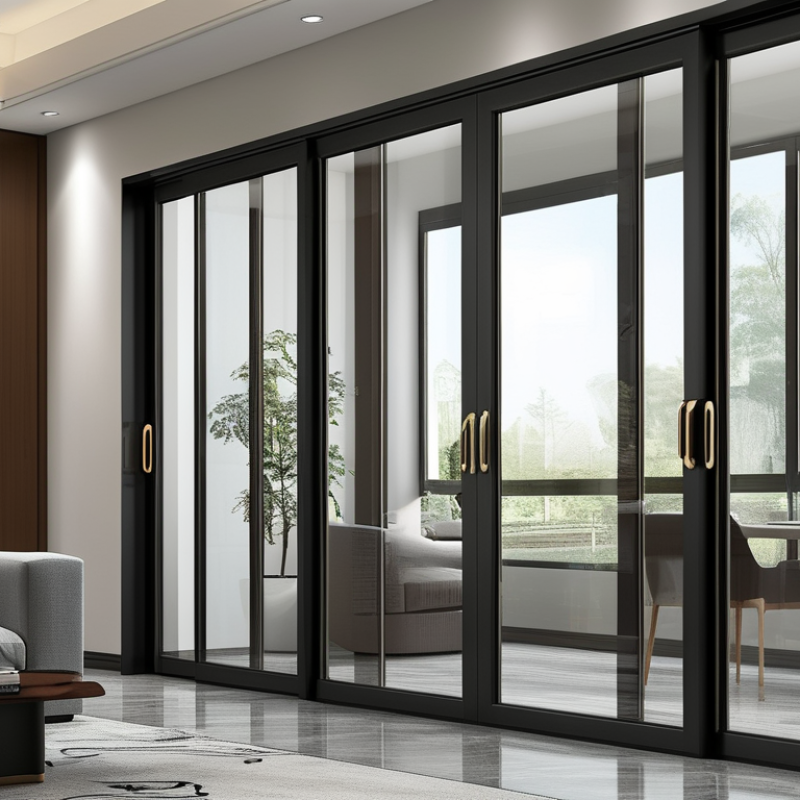
China's Aluminium Sliding Doors: An Overview for Global Consumers
China's Aluminium Sliding Doors have rapidly gained attention in the global market. As consumers seek quality and affordability, these doors offer a compelling solution. The demand for aluminium products is projected to grow by 6% annually, highlighting their popularity. A recent report indicates that the Asia-Pacific region accounts for over 40% of global aluminium consumption. This trend underscores China's significant role as a supplier.
Aluminium sliding doors are known for their durability and design flexibility. Many manufacturers provide a range of styles and finishes. This variety caters to diverse tastes and design requirements. However, sourcing from China can present challenges. Quality control and consistency are crucial for international buyers. A survey showed that nearly 30% of buyers faced issues with product variability.
The longevity of aluminium products makes them an attractive choice. In contrast, wood and vinyl options often require more maintenance. Considering this, consumers should weigh the potential trade-offs in pricing and quality. Ensuring reliable suppliers is vital for a successful purchase. Quality varies widely, and not all manufacturers meet stringent standards. Conducting thorough research can mitigate risks and enhance buyer satisfaction.
Key Features and Benefits of Aluminium Sliding Doors from China
Aluminium sliding doors from China present a compelling solution for various residential and commercial applications. One of their key features is energy efficiency. According to a report by the International Energy Agency, buildings account for about 40% of global energy consumption. Modern aluminium sliding doors often have thermal break technology, which significantly reduces heat transfer. This can lead to lower energy bills and a smaller carbon footprint.
Durability is another crucial benefit of these doors. Unlike traditional wooden doors, aluminium does not warp or crack over time. This resilience makes them ideal for any climate. A study from the Building Research Establishment indicates that well-maintained aluminium can last over 30 years. It’s clear that the investment in high-quality sliding doors pays off in the long run.
However, not all products meet the highest standards. Buyers should be cautious about quality assurance processes. Low-cost manufacturers might compromise on essential features, which affects performance. Verification through industry certifications is essential for reliability. Potential buyers must conduct thorough research. A little extra effort can make a significant difference in long-term satisfaction.
Popular Designs and Trends in Chinese Aluminium Sliding Doors
Aluminium sliding doors have gained immense popularity globally, especially those from China. The modern designs feature sleek lines and minimalistic aesthetics. They blend seamlessly with contemporary architecture, offering an elegant solution for both residential and commercial spaces. Homeowners appreciate the abundance of options available, catering to varied tastes and budgets.
Current trends suggest a shift towards energy-efficient designs. These doors often come with advanced thermal insulation technology. This saves energy, which is crucial for reducing utility bills. Many buyers also prefer customizable designs, with various colors and finishes to choose from. The ability to personalize promotes individual expression, making their homes unique.
However, not every design meets high standards. Some products may lose quality in the manufacturing process. This inconsistency can lead to buyers feeling disappointed with their choices. It’s vital for global buyers to conduct thorough research. Understanding these trends helps in making informed decisions that align with personal needs and current market offerings.
Choosing the Right Aluminium Sliding Door Supplier in China
When sourcing aluminium sliding doors in China, it’s essential to choose the right supplier. Not all manufacturers offer the same quality or service. Look for companies with a solid track record and extensive experience. Fully certified suppliers provide confidence in their products' durability and safety. It’s crucial to analyze customer reviews and feedback. This step can reveal valuable insights into their reliability and product performance.
Consider the supplier's ability to meet your specific needs. Different projects require varying materials and designs. Some companies may only cater to standard products. Others might offer customization options. Evaluate their production capacity and lead times. Shipping can also complicate the process. Checking logistical capabilities helps avoid delays. Communication with the supplier should be clear and responsive.
Keep an eye on the suppliers’ adherence to quality standards. This can often be overlooked but is vital. Ask about the materials used and production processes. A good supplier should be willing to share this information. It fosters transparency and builds trust. Be wary of deals that seem too good to be true. Always prioritize quality over cost.
China Top Aluminium Sliding Doors for Global Buyers
| Feature |
Specification |
Material |
Thickness |
Customization Options |
| Energy Efficiency |
High Insulation |
Aluminium Alloy |
1.2 mm - 2.0 mm |
Color, Size, Glass Type |
| Security Features |
Multi-Point Locking |
Reinforced Aluminium |
1.5 mm |
Handles, Lock Designs |
| Aesthetic Appeal |
Modern Design |
Powder-Coated Finish |
1.5 mm |
Custom Colors, Finishes |
| Weather Resistance |
Waterproof & Windproof |
High-Quality Aluminium |
2.0 mm |
Seals, Drainage Systems |
Export Regulations and Trade Considerations for Global Buyers of Aluminium Doors
When considering the purchase of aluminium sliding doors from China, global buyers must navigate various export regulations and trade considerations. The export market for aluminium products is projected to grow, with a market size of approximately $159 billion by 2026. This growth reflects a rising demand for energy-efficient and aesthetically pleasing architectural solutions.
Understanding tariffs and import duties is essential. Countries typically apply different tariffs on aluminium products, impacting overall costs. For instance, an average tariff rate can range from 5% to 20%, depending on the destination country. Buyers should also be aware of regulations regarding product standards and certifications. Compliance with international standards ensures product reliability. Regulatory documentation can be tedious but is necessary for smooth transactions.
**Tips**: Always research the latest trade agreements between your country and China. This knowledge can provide cost-saving opportunities. Engage with reliable suppliers who have experience in international trade. This can help avoid potential pitfalls. Keeping an eye on changing regulations is crucial for long-term success.