How to Choose the Best Wooden Bifold Doors for Your Home?
Choosing the best wooden bifold doors for your home is a significant decision. These doors are not just functional; they enhance the aesthetic appeal of your space. According to a recent report by the National Association of Home Builders, nearly 45% of homeowners prioritize natural materials for their home upgrades, highlighting the growing trend towards wooden bifold doors.
Industry expert, Sarah Thompson, emphasizes, “Wooden bifold doors add warmth and character to a home.” This sentiment resonates with many homeowners. The variety of wood types available means you can select doors that match your existing decor. However, not all wooden bifold doors are created equal. Factors such as durability, grain patterns, and finish play crucial roles in your choice.
When opting for wooden bifold doors, consider potential maintenance challenges. While these doors can be stunning, poor-quality wood can warp or swell with humidity, impacting performance. Investing in high-quality options may lead to long-term satisfaction. Ultimately, the right choice aligns with your home’s design while providing practical benefits.
Choosing the Right Wood Type for Bifold Doors: A Comparative Analysis
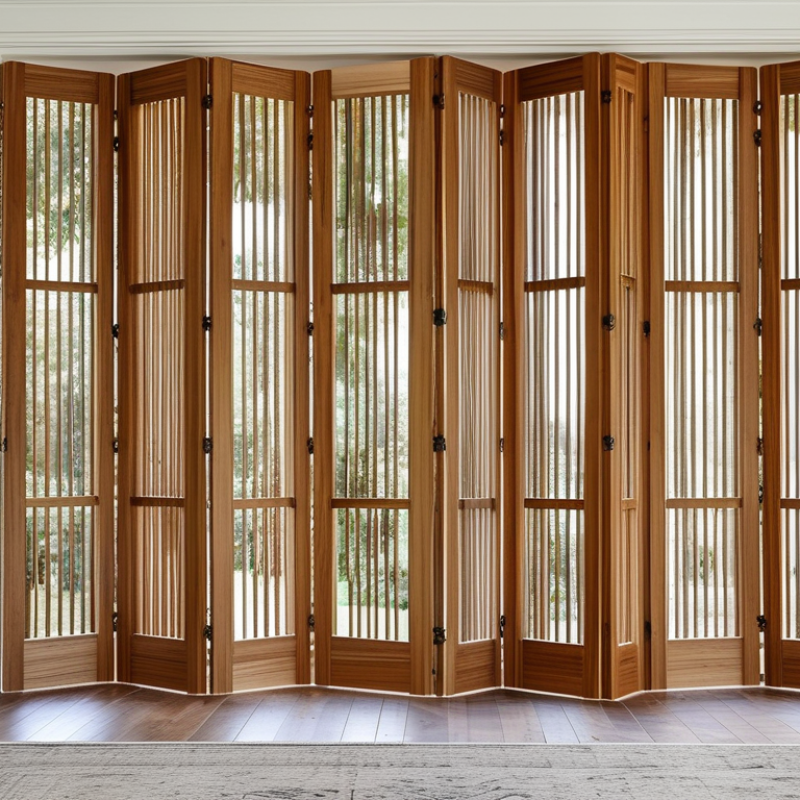
When selecting bifold doors, the wood type significantly impacts both aesthetics and durability. Different wood species offer unique qualities. For instance, oak is known for its strength and resistance to wear, making it ideal for high-traffic areas. Its rich grain pattern adds character, enhancing interior design. Pine, in contrast, is lighter and more affordable but may require regular maintenance to prevent scratches and dents.
Another consideration is the climate. In humid areas, tropical woods like mahogany excel due to their natural resistance to moisture. They remain stable over time, preventing warping. However, mahogany can be more expensive and may not suit all budgets. Users often overlook the importance of wood finishes, which protect from scratches and fading. Some finishes require frequent reapplication, thus increasing upkeep. Balancing these aspects is crucial.
Test samples from various retailers before making a selection. A wood sample can reveal how it feels and looks in your space. Take the time to ponder over weight and warmth. Feel the texture, and visualize it in different lighting. Many find this step invaluable in their decision-making process. Ultimately, the perfect wood type should align with your home’s style, while being functional enough to endure daily use.
Understanding the Importance of Door Thickness in Bifold Designs
When selecting wooden bifold doors, the thickness of the door is a crucial factor to consider. Thicker doors often provide better insulation and durability. They can withstand the test of time and resist warping. This is especially important in areas with fluctuating temperatures. For instance, a door that is 1.75 inches thick can offer significant benefits compared to thinner alternatives. It feels sturdier and offers better soundproofing as well.
However, thicker doors can also have drawbacks. They might be heavier and more challenging to operate. Installation may require additional support. It's essential to evaluate your space and the door's functionality. You might find that a door that is not too thick strikes the right balance between aesthetics and practicality. Don’t overlook the importance of frame quality, as it directly affects how well your door performs over time.
Choosing the right thickness involves more than just preferences. Consider your home’s climate and lifestyle needs. If you live in a humid area, a thicker door can help combat moisture issues. However, if you prioritize easy access and mobility, a lighter option may be ideal. Think through these aspects carefully, as the perfect choice enhances your home’s comfort and style.
Evaluating Energy Efficiency Ratings for Wooden Bifold Doors
When selecting wooden bifold doors, energy efficiency is paramount. Understanding energy efficiency ratings can greatly influence your decision. According to the U.S. Department of Energy, energy-efficient doors can reduce heat loss by up to 30%. This is essential for maintaining comfortable indoor temperatures and lowering energy bills.
The U-factor and Solar Heat Gain Coefficient (SHGC) are crucial metrics. A lower U-factor signifies better insulation. For wooden bifold doors, a U-factor of 0.30 or lower is typically recommended. On the other hand, SHGC measures how much solar radiation passes through the door. A desirable SHGC rating usually falls between 0.25 and 0.55. These ratings help evaluate performance in different climates, from hot summers to cold winters.
However, there are limitations. Not all wooden bifold doors provide the same efficiency, leading to potential misinformation. Additionally, some materials may not perform as expected in extreme conditions. Homeowners must inspect certifications to ensure reliability. Researching energy-efficient options can be time-consuming, but the benefits are significant. Drafts, unwanted noise, and fluctuating temperatures can often be reduced by choosing the right doors.
Key Aesthetic Considerations for Seamless Home Integration
Choosing the right wooden bifold doors for your home involves careful consideration of aesthetics. They should enhance your space, not detract from it. Color, grain, and style can significantly impact the overall look.
One tip is to match the wood's finish with your existing decor. For a rustic home, a natural wood grain can add charm. Conversely, a sleek, painted finish may suit a modern setting better. Do consider the room's lighting. Dark woods can make a space feel cozy, but might also create shadows. Think about how these doors will connect indoors and outdoors.
Think about proportions. Ensure the doors don’t overwhelm the room or look too small. If you have high ceilings, taller doors can create a grand look. Pay attention to hardware choices, too. Choosing hardware that compliments the wood without overpowering it can make a significant difference. Consider reflecting on whether your selection aligns with your home’s style. It’s an opportunity for personal expression and function.
Maintaining and Caring for Wooden Bifold Doors: Expert Recommendations
Caring for wooden bifold doors requires consistent attention to detail. Proper maintenance ensures longevity and beauty. According to industry reports, well-maintained wooden doors can last up to 30 years. Regular cleaning is key. Dust and grime can accumulate and cause damage if left unchecked. Use a soft cloth with mild soap and water to clean.
Temperature and humidity control are crucial. Extreme conditions can warp or crack the doors. Aim to keep indoor humidity between 30% and 50%. This balance prevents moisture buildup, which can lead to mold growth. Regularly check for any signs of wear or damage. Early detection can save costly repairs down the line.
Tips: Apply a protective sealant every couple of years. This will enhance durability and prevent moisture absorption. Inspect the hinges and tracks for any obstructions. Keeping these areas clean ensures smooth operation. Sometimes, despite our best efforts, imperfections can arise. Learning from these moments is part of the journey in maintaining beautiful wooden doors.