Get a Quote

7 Tips for Choosing Aluminium Double Glazed Windows

Choosing the right aluminium double glazed windows is not simply a matter of selecting the lowest price. Frame design, glass specification, thermal breaks, installation quality, and local climate all influence real performance. A beautifully finished window can still underperform if cold air enters around an uneven reveal.

The International Energy Agency reported that buildings consumed approximately 30% of global final energy in 2022 and produced about 26% of energy-related emissions. The UK Energy Saving Trust also estimates that around 10–20% of household heat can escape through windows. These figures explain why glazing decisions deserve careful attention. Aluminium frames offer strength, slim sightlines, durability, and recyclable material benefits. However, poor thermal design can create uncomfortable internal surfaces and condensation risks. Aluminium alone is not automatically energy efficient.

Building scientist Stephen Selkowitz has described windows as “the most dynamic component of the building envelope.” That observation remains useful when comparing aluminium double glazed windows. Their performance changes with glass coatings, spacer bars, solar exposure, ventilation, and workmanship. The seven tips ahead examine these details in practical terms, from U-values and low-emissivity coatings to drainage and installer credentials. Still, one limitation deserves honesty: laboratory ratings cannot perfectly reproduce every occupied home. A north-facing room, a windy coastal site, and a shaded apartment will behave differently. Check the evidence, question broad promises, and consider long-term comfort rather than appearance alone. Small choices matter. Sometimes, the cheapest quotation becomes the most expensive lesson.
7 Tips for Choosing Aluminium Double Glazed Windows

Define Your Window Needs and Home Performance Goals

Before comparing aluminium double glazed windows, define what your home actually needs. Walk through each room at different times. Note cold corners, traffic noise, glare, and difficult-to-open sashes. A bright, south-facing bedroom may need solar-control glass. A shaded kitchen may benefit from larger clear panes. Measure existing openings carefully, but do not trust old drawings alone. Small errors can affect installation.

Set performance goals in practical terms. For winter comfort, ask for tested thermal values and a low whole-window U-value. For busy streets, compare acoustic ratings, not vague claims about “quiet glass.” Consider airtightness, drainage, frame sightlines, security hardware, and cleaning access. In damp climates, ventilation still matters. Double glazing cannot fix every condensation problem. It may expose poor airflow instead. Check local energy and safety requirements with a qualified installer. Their survey should include wall reveals, sill condition, and movement around each opening.

Your budget should include fitting, trims, disposal, and future maintenance. Cheap estimates can omit these details. I would question oversized glass areas where summer overheating is possible. A modest opening may feel better with careful orientation and external shading. Leave room for uncertainty. Existing walls rarely behave perfectly. Ask for written specifications, warranty terms, and installation tolerances. Keep photographs of hidden work before the finish is sealed. These records can help when something feels wrong later.
Compare Aluminium Frame Types, Finishes, and Thermal Breaks

7 Tips for Choosing Aluminium Double Glazed Windows

Choosing aluminium double glazed windows requires more than checking the glass thickness. Measure each opening carefully, including uneven reveals and sill depth. A small error can create draughts, water entry, or difficult installation. Ask for thermal performance figures, not vague claims about energy efficiency.

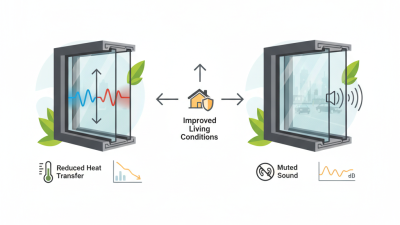
Compare standard, slimline, and thermally broken aluminium frames. Standard frames suit mild climates and tighter budgets. Slimline profiles offer more glass and slimmer sightlines, but may provide less insulation. Thermal breaks use an insulating barrier inside the frame. They reduce heat transfer and limit interior condensation. Check the frame’s whole-window U-value, rather than the centre-glass result alone.

Finish quality matters outdoors. Powder-coated surfaces should look even around corners, drainage slots, and handle areas. Dark finishes can become very hot in direct sunlight, so expansion allowances deserve attention. Choose a finish suited to coastal air if salt exposure is likely. Ask how colour durability is tested. Do not rely only on a showroom sample.

Inspect the hardware before ordering. Handles should move smoothly, while seals should sit continuously without gaps. Confirm drainage paths remain clear after installation. Review the installer’s previous work, especially corner joints and internal reveals. I would also request written warranties and maintenance guidance. One detail is easy to miss: acoustic performance depends on glass, seals, frame design, and installation together. A premium frame cannot correct careless fitting.

Evaluate Double Glazing Options for Insulation and Noise Control

7 Tips for Choosing Aluminium Double Glazed Windows

Evaluate Double Glazing Options for Insulation and Noise Control

When comparing aluminium double glazed windows, start with measured thermal performance. Look for a low U-value, but do not judge the glass alone. The frame also needs a reliable thermal break to reduce heat transfer. Low-emissivity glass can reflect indoor warmth back into the room. Argon-filled cavities may improve insulation when the seals remain intact. Small details matter.

Noise control needs a different evaluation. A wider air gap can help, but glass thickness also affects performance. Laminated acoustic glass may reduce traffic noise and sharp outdoor sounds. Ask for tested sound reduction results, not vague claims. Check the window’s rating for the noise type near your home. Low-frequency buses need a different solution from high-frequency voices.

Site conditions often change the result. Inspect the opening, surrounding walls, seals, and installation quality before choosing a specification. Even excellent glazing can perform poorly around loose frames or unsealed joints. Request independent test documents for thermal and acoustic values. Compare the whole window, not just one pane. Be careful here. A higher specification may not always deliver better comfort if ventilation, shading, or fitting is overlooked. Review room orientation, winter drafts, summer sun, and nearby roads together.

Check Glass Safety, Hardware Quality, and Security Features

7 Tips for Choosing Aluminium Double Glazed Windows

Choosing aluminium double glazed windows involves more than frame colour. Glass safety, hardware quality, and security features deserve practical inspection. The U.S. Department of Energy reports that windows can account for 25–30% of household heating and cooling energy use. That figure makes glazing performance important, but safety still comes first. Ask for the glass specification, not vague terms like “toughened.” Tempered glass breaks into small granules. Laminated glass stays bonded after impact. Check whether the proposed unit meets relevant standards, such as ANSI Z97.1 or EN 12600.

During a site check, press each sash gently and watch for movement at the corners. Excess play may indicate weak hinges, poor adjustment, or flexible fixing. Choose corrosion-resistant hinges, handles, rollers, and screws. Their movement should remain smooth after repeated operation. NFRC certification data separates tested U-factor and solar heat gain values from sales claims. A lower U-factor generally indicates better insulation. Still, installation can undermine excellent glass. I once treated a quiet handle as proof of quality. It was not.

Security needs more than one handle lock. Look for multi-point locking, internal glazing beads, reinforced keeps, and opening restrictors. Ask whether the complete window has been tested under EN 1627 or an equivalent security standard. Check the locking points with the sash closed. They should engage evenly, without forcing the handle. Confirm that security hardware does not obstruct safe emergency operation. Small details matter. Even the strongest aluminium frame can perform poorly when screws, hinges, or fixings are underspecified.

7 Tips for Choosing Aluminium Double Glazed Windows - Check Glass Safety, Hardware Quality, and Security Features

Tip What to Check Recommended Specification or Evidence Why It Matters Questions to Ask the Installer
1 Verify the glass safety type Use toughened safety glass or laminated safety glass where required by local building regulations. Toughened glass breaks into small granules, while laminated glass retains fragments with an interlayer. Safety glazing helps reduce the risk of severe injury if glass is broken, particularly near doors, low-level windows, and circulation areas. Is the glass safety-rated for its installation location, and can you provide the glass certification or compliance information?
2 Compare thermal performance Request the complete window U-value, commonly expressed as Uw, rather than only the centre-pane glass U-value. A lower Uw indicates lower heat transfer; the stated value should be supported by a test or calculation report. Frame design, spacer bars, glass coatings, gas fill, and window size all affect real thermal performance. What is the certified Uw for the proposed window size, and what spacer, gas fill, and low-emissivity coating are included?
3 Assess the sealed-glass unit Confirm the cavity width, low-emissivity coating, warm-edge or equivalent spacer, and whether the cavity is filled with air or an inert gas such as argon. Check that the unit has a perimeter seal and a stated warranty. Correctly manufactured sealed units improve insulation and help prevent condensation between the panes. What is the sealed-unit warranty, and how are failed or misted panes replaced?
4 Inspect hardware quality Look for corrosion-resistant hinges, handles, rollers, stays, and locking components appropriate for the window weight and exposure. Hardware should operate smoothly without excessive force or handle movement. Durable hardware supports reliable opening, weather sealing, ventilation, and long-term adjustment. What load and cycle testing has been completed, and are replacement hardware parts available after installation?
5 Check security features Prefer a tested multi-point locking system, secure handles, reinforced keep areas, and glazing that cannot be easily removed from the outside. Where applicable, request evidence of compliance with the relevant local security standard. Security depends on the complete window assembly, including the frame, sash, locks, hinges, glass, and installation—not on the lock alone. Which security test or classification applies to this exact window configuration, including its glass and hardware?
6 Evaluate weather and acoustic performance Request test results for air permeability, watertightness, and wind resistance. For noise reduction, compare the tested weighted sound reduction index, commonly written as Rw, for the complete window. Correct ratings help match the window to exposed elevations, high-rise locations, coastal conditions, and noisy streets. Were the ratings tested on a complete window of a similar size, and do they apply to the selected opening style?
7 Review installation and maintenance support Confirm that the opening will be surveyed, correctly sized, mechanically fixed, sealed against water and air leakage, and checked after installation. Ask for cleaning, lubrication, adjustment, and warranty instructions. Poor installation can reduce security, drainage, insulation, and weather performance even when the window itself is well designed. Who is responsible for installation, what is covered by the warranty, and how quickly will service issues be handled?
Buying note: Performance values and safety requirements vary by climate, building type, window size, and local regulations. Always compare the tested performance of the complete aluminium window rather than relying only on individual glass or hardware claims.

Verify Energy Ratings, Installation Standards, and Long-Term Costs

7 Tips for Choosing Aluminium Double Glazed Windows

Verify Energy Ratings, Installation Standards, and Long-Term Costs

Start with the energy label, not the frame colour. Check the U-factor, solar heat gain coefficient, visible transmittance, and air-leakage rating. Lower U-factors usually reduce heat transfer. The U.S. Department of Energy reports that windows can cause 25–30% of residential heating and cooling energy use. That figure makes performance worth measuring.

Check whether the aluminium frame includes a thermal break. Ask for certified test results, not general sales claims. Confirm the glass spacing, gas fill, coatings, and safety classification. Compare the window’s whole-unit rating, not glass-only data. This is often missed. Also check drainage paths and hardware quality. Small failures become expensive drafts. Review installation requirements against ASTM E2112 or BS 8213-4, where applicable. Confirm the installer’s training, written scope, sealing method, and inspection process. Poor fitting can undermine excellent glazing.

Calculate long-term cost beyond the purchase price. Include heating savings, cleaning, hardware replacement, repainting, and potential condensation repairs. Ask for warranty limits and realistic service periods. A lower price may hide weaker seals or difficult maintenance. Review local climate exposure, especially coastal moisture and strong sunlight. The International Energy Agency links buildings with roughly 30% of global final energy demand, so small envelope improvements can matter. Still, ratings are not magic. Measure the opening accurately, inspect the finished seals, and photograph the installation record. A spreadsheet helps, but it cannot replace a careful site check.

Back to top