How to Choose the Best Fly Screen Door for Your Home?
Choosing the right fly screen door for your home can significantly enhance your living space. The demand for fly screen doors has increased by 25% in recent years, as homeowners seek ways to keep insects out while allowing fresh air to flow in. This trend highlights the growing awareness of indoor air quality and comfort.
When selecting a fly screen door, one must consider several factors, such as material, design, and installation type. A 2022 industry report indicated that durable materials like fiberglass and aluminum offer better longevity and protection against pests. However, not all products are created equal; some might not fit well or could wear out faster than expected.
It's important to reflect on your specific needs. For instance, are you focused on aesthetics or functionality? Aesthetic options might match your home decor but may lack effective insect prevention. Knowing what is essential can lead to a more informed decision. Ultimately, choosing the best fly screen door requires careful thought and research, ensuring it meets both form and function.
Understanding the Different Types of Fly Screen Doors Available
Fly screen doors come in various types, each serving unique needs. The most common types include
hinged doors, sliding doors, and
retractable screens. Hinged fly screens attach to the door frame. They swing open like traditional doors, making them suitable for high-traffic areas.
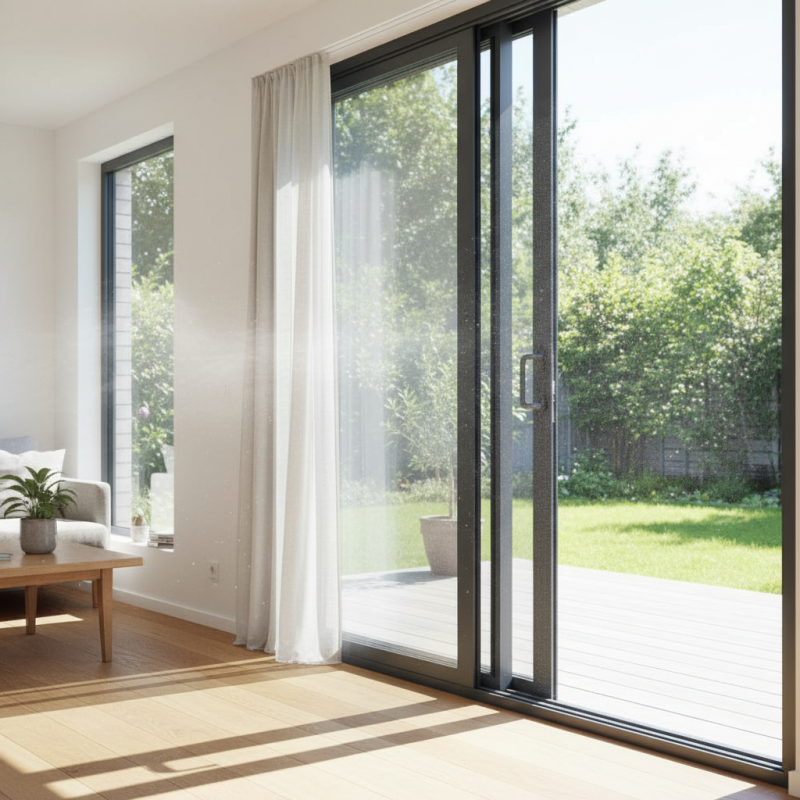
Sliding screens are ideal for patios or large openings. These screens slide on a track, allowing easy access.
Retractable screens are a modern solution. They roll up when not in use, maintaining an unobstructed view. This design is versatile and works well in homes with varying space requirements. Consider the location and frequency of use when selecting a screen type.
People often overlook the importance of the installation process. A poorly fitted screen can lead to gaps, allowing insects to enter.
Material is another critical aspect. Fiberglass screens are light and durable, while aluminum options offer sturdiness. While some may prefer aesthetic appeal, practicality should guide your choice.
It’s easy to focus only on how a screen looks. Yet, effectiveness is paramount. Don’t hesitate to ask for professional advice if unsure what fits best. Taking the time to research can prevent future inconveniences.
Evaluating Material Options for Durability and Effectiveness
When choosing a fly screen door, the material is critical for durability and effectiveness. Many options are available, including fiberglass, aluminum, and polyester. A report from the Home Improvement Research Institute indicates that fiberglass screens are becoming popular due to their strength and ability to withstand the elements. They resist rust and wear, making them suitable for various climates.
Aluminum screens offer a different set of benefits. They are robust and can withstand impact better than other materials. However, aluminum can corrode over time, especially in coastal areas. Meanwhile, polyester screens are lightweight and typically less expensive. They do not tear easily, but their longevity might not match that of fiberglass or aluminum. A study by the American Society for Testing and Materials found that the expected lifespan of a good-quality fiberglass screen can exceed ten years, significantly longer than standard polyester options.
When considering screen options, think beyond just the initial cost. Consider the long-term effectiveness and maintenance required. Cheaper materials may save money initially but could incur higher replacement costs in the future. Durability and ease of cleaning are crucial factors. A durable fly screen door not only enhances home comfort but also serves as a barrier against pests, making your living space healthier and more enjoyable.
Measuring Your Doorway for a Perfect Fit
When it comes to selecting a fly screen door, accurate measurements are crucial. Start by measuring the width and height of your doorway. Use a tape measure, and make sure to measure from the top of the frame to the floor. This ensures that your new screen door fits snugly without gaps. Don't forget to check for any obstructions, like handles or locks, that may affect the door's installation.
Once you have your measurements, it’s essential to double-check them. Mistakes can easily happen, and an incorrect size can lead to frustration later on. Consider how the door will be used daily. If you have pets, for example, you might want to measure the height in relation to their ability to pass through comfortably. Think about your lifestyle needs while measuring. Take your time with these details to ensure a perfect fit that serves you well in the long run.
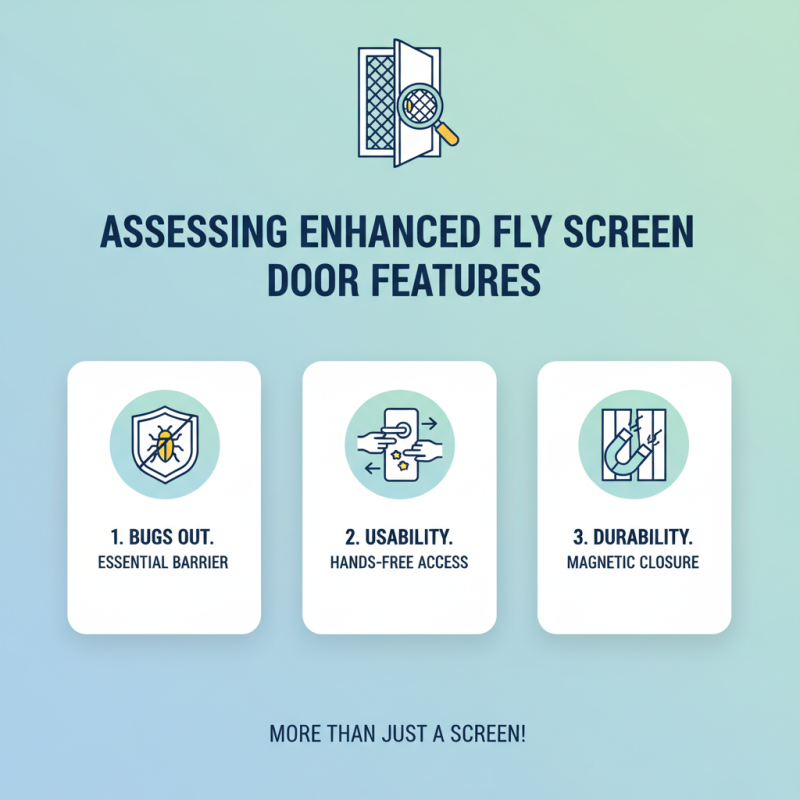
Choosing the Best Fly Screen Door: Key Features to Consider
Considering Installation Methods: DIY vs. Professional Help
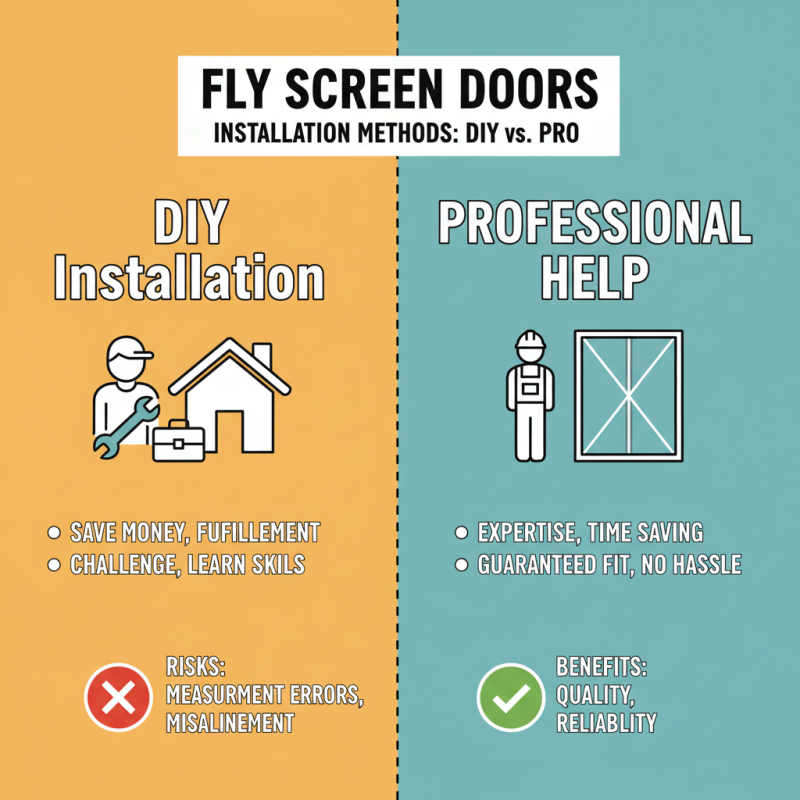
When considering fly screen doors, installation methods play a crucial role. DIY installation can save money and give you a sense of accomplishment. Many people enjoy the challenge of tackling home improvement projects. However, not everyone has the time or skills for a successful DIY outcome. Mistakes can happen, such as mismeasuring the door frame or improperly aligning the screen. These issues can lead to frustration later.
On the other hand, professional help ensures a well-fitted screen door. Skilled technicians understand the nuances of installation. They can quickly address unique home challenges, like uneven frames or specific design requirements. Hiring a professional also saves time, letting you focus on other tasks. However, this route comes at a cost. You may wonder if the expense justifies the convenience.
Ultimately, your choice depends on your budget and confidence in your skills. Assess your home's specific needs. Consider how much you value a pristine installation over potential savings. Reflecting on these factors can guide you to the right decision for your fly screen door.