How to Choose Retractable Fly Screens for Your Home?
When considering how to choose retractable fly screens for your home, it's essential to weigh various factors. According to Sarah Thompson, a noted expert in home improvements, “Retractable fly screens offer elegance and functionality.” This statement emphasizes the balance between design and utility.
Selecting the right retractable fly screens involves understanding your needs. What type of insects are you trying to keep out? How often do you open your windows? Consider your local climate, as some materials perform better in specific environments. It's also important to think about the aesthetics of your home. A mismatched screen can detract from your windows’ appeal.
Many overlook the installation process, which can be tricky. A poor installation can lead to gaps, allowing pests inside. Look for professional help if you are unsure. Remember, not every product will suit every home. Reflect on your choices carefully to ensure your retractable fly screens effectively meet your expectations.
Understanding the Benefits of Retractable Fly Screens for Homes
Retractable fly screens offer remarkable benefits for homes, enhancing comfort and safety. According to a report by the American Institute of Architects, up to 75% of homeowners prioritize airflow and natural light during renovations. Retractable fly screens provide both, allowing fresh air in while keeping insects out.
These screens can fit various door and window types. Customization options are vast, facilitating an attractive integration into any home's décor. A study from the International Journal of Environmental Research shows that homes with effective insect barriers can reduce pest-related health issues by 30%. Yet, homeowners must choose the right fit and material. Not all screens offer the same durability or aesthetic appeal.
Installation can be tricky. Improper fitting may lead to gaps that defeat the purpose of the screen. Some users find maintenance challenging, as screens gather dust and dirt. A clean screen improves visibility and effectiveness. Homeowners should reflect on their lifestyle before investing. With careful consideration, retractable fly screens can significantly elevate living spaces while minimizing hassle.
Factors to Consider When Choosing Retractable Fly Screens
Choosing retractable fly screens for your home involves several important factors. Material is a key consideration. Look for screens made from durable yet lightweight materials. Fiberglass and aluminum frames are popular choices. They can withstand wear and tear over time. The color and finish should also complement your home’s exterior. Opt for neutral tones that blend seamlessly with your surroundings.
Next, sizing is crucial. Accurate measurements ensure that the screens fit perfectly in your windows and doors. Avoid gaps that pests can exploit. Features like ease of installation and operation matter too. Some screens retract automatically, while others require manual handling. Think about which option suits your lifestyle best.
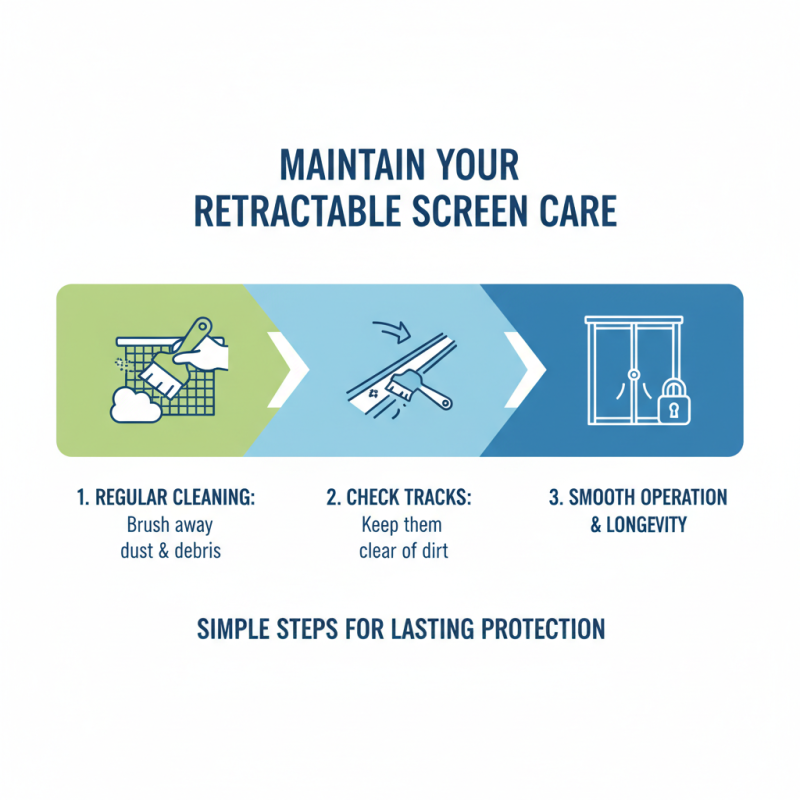
Finally, consider maintenance needs. Some screens may require more upkeep than others. Regular cleaning helps maintain clarity and functionality. Reflect on how much time you can commit to this. Make sure your choice aligns with your routine and preferences. Each of these factors plays a role in your satisfaction with retractable fly screens. It's vital to weigh these elements carefully before making a purchase.
Different Types of Retractable Fly Screens Available
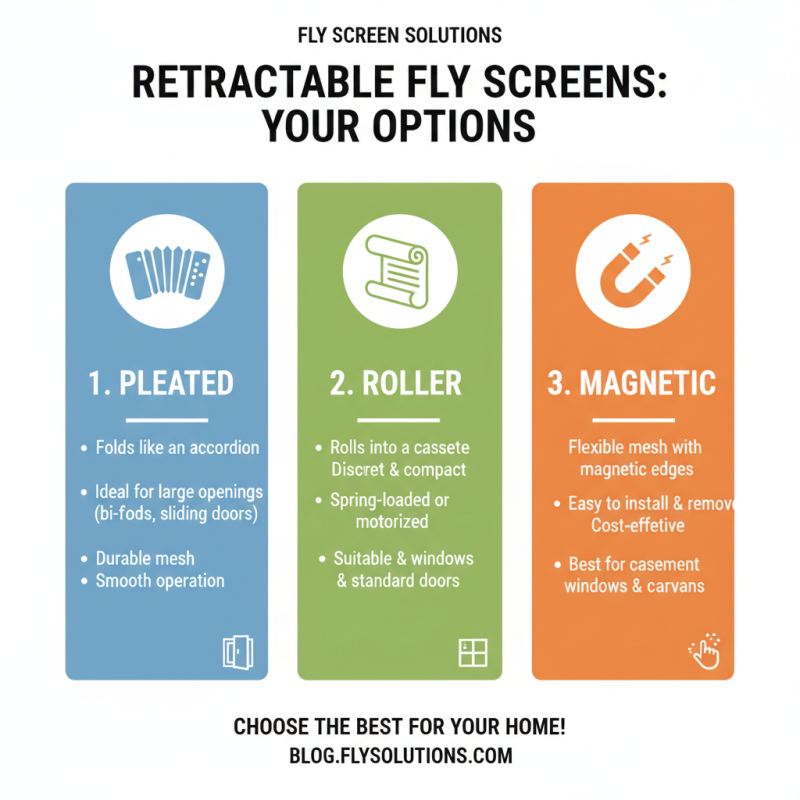
When choosing retractable fly screens for your home, understanding the different types available is crucial. There are pleated, roller, and magnetic options. Each has its unique features and advantages.
Pleated screens are often favored for large openings. They retract neatly into a compact frame. They can blend well with contemporary decor. However, they may not suit every interior style.
Roller screens are versatile. They come in various sizes and colors. They can be installed on doors, windows, or patios. But, beware of the installation process. It can be tricky for some DIYers.
Magnetic screens are easy to work with. They attach to your door frame and close automatically. This option is great for high-traffic areas. Yet, they might not be as durable as the others.
Here are some tips for selection: measure your opening accurately before buying. Consider the material for durability and aesthetics. Think about how often you plan to use the screen.
Remember, it’s essential to reflect on your need for ventilation versus pest control. Sometimes, a simple mistake in choosing the right type can lead to frustration. Take your time, and choose wisely.
Installation Options for Retractable Fly Screens
When considering installation options for retractable fly screens, it’s essential to assess your home’s layout. These screens can be mounted on windows and doors. Some systems are easy to DIY, while others may require professional help. Measure the dimensions accurately. An error can lead to wasted time and materials.
There are several mechanisms available. Spring-loaded systems are popular for doors. They open and close smoothly, but may wear out over time. Magnetic screens offer quick fixes and can be self-installed. However, they might not seal perfectly. Remember, each option has its pros and cons.
Consider aesthetics too. Screens blend into your home’s design when properly installed. Aligning them with window frames is crucial. Even the slightest misalignment can disrupt their appearance. It’s vital to take your time and not rush the process. Installation isn’t just about function; it’s about creating a seamless look at home.
How to Choose Retractable Fly Screens for Your Home? - Installation Options for Retractable Fly Screens
| Feature |
Description |
Advantages |
Considerations |
| Material |
Typically made from fiberglass or polyester mesh. |
Durability and resistance to wear. |
Ensure not to select materials that may fade over time. |
| Installation Type |
Can be surface-mounted or recessed into the wall. |
Recessed options offer cleaner appearance. |
Recessed may require more complex installation. |
| Retractable Mechanism |
Manual or motorized systems available. |
Motorized options provide ease of use. |
Motorized options may require electricity and have higher upfront costs. |
| Customization |
Available in various sizes and colors. |
Better integration with home decor. |
Custom options can be more expensive and may have longer lead times. |
| Maintenance |
Regular cleaning required to maintain effectiveness. |
Easy to clean compared to permanent screens. |
Neglect can lead to rapid degradation of the material. |