10 Essential Tips for Choosing the Perfect Sliding Fly Screen Door
Choosing the right sliding fly screen door can significantly enhance the comfort and functionality of your living space. With a multitude of options available in the market, it can be overwhelming to determine which one best suits your needs while effectively keeping unwanted insects at bay. This essential guide aims to illuminate important factors to consider, ensuring that you make an informed decision that combines both practicality and aesthetic appeal.
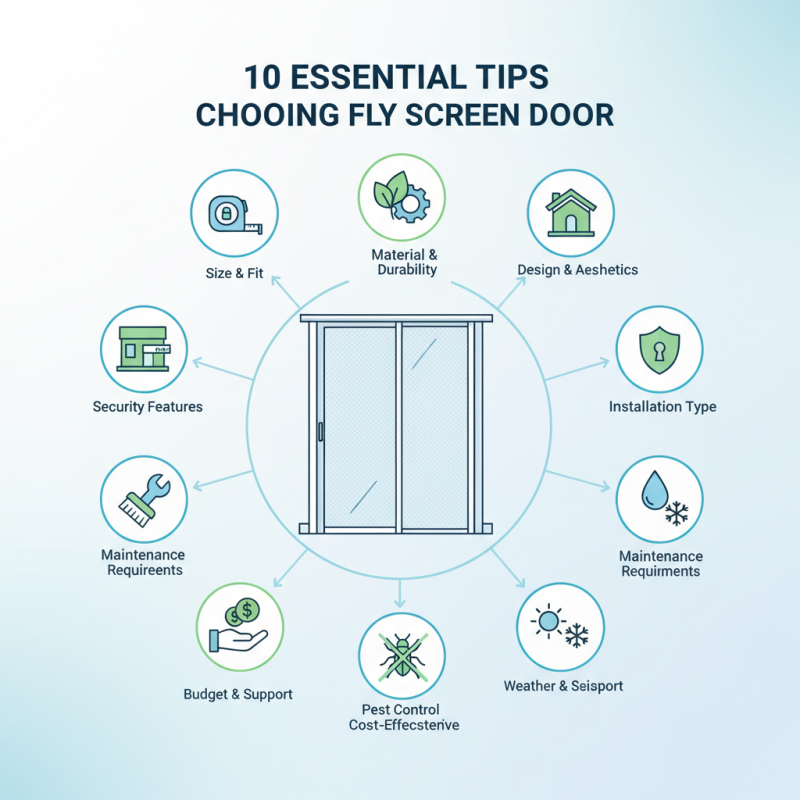
When selecting a sliding fly screen door, it is crucial to consider aspects such as size, material, and design. The ideal door should not only fit seamlessly with your existing décor but also provide durability and efficient operation. Furthermore, understanding the various installation methods and maintenance requirements will help you select a door that aligns with your lifestyle and preferences. By keeping these tips in mind, you can find a sliding fly screen door that enhances your home while offering protection from pests and the elements.
Key Factors to Consider When Selecting a Sliding Fly Screen Door
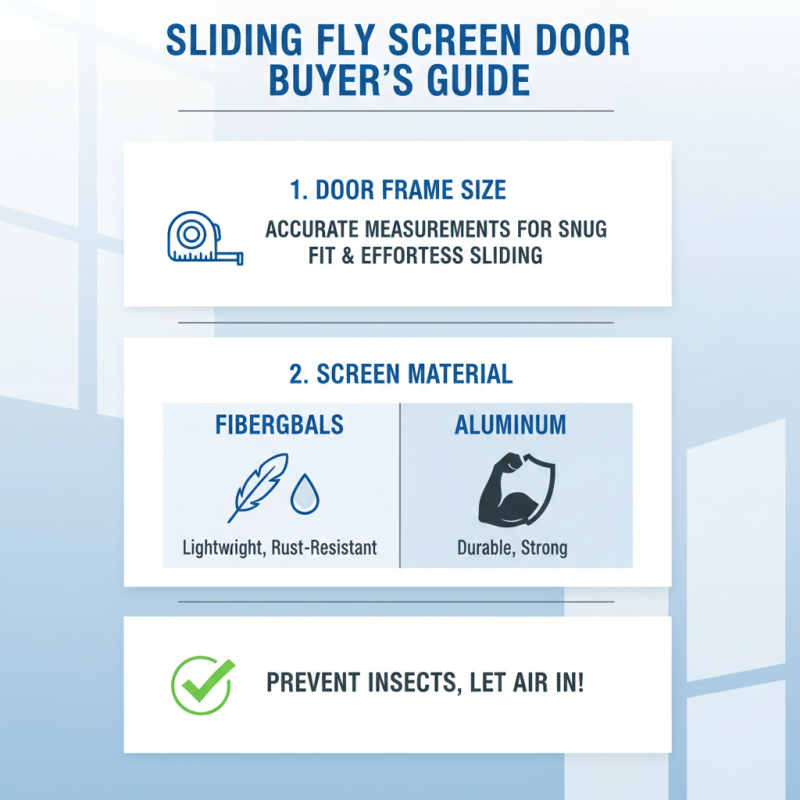
When it comes to selecting the perfect sliding fly screen door, several key factors should guide your decision-making process. First, consider the size of the doorframe. Accurate measurements are crucial to ensure a snug fit that prevents insects from entering while allowing for effortless sliding. Additionally, think about the material of the screen. Options like fiberglass and aluminum each have their advantages—fiberglass is lightweight and resistant to rust, while aluminum offers durability and strength.
Another important factor is the screen's mesh density. A finer mesh will keep out smaller insects but may reduce airflow, while a coarser mesh allows for better ventilation but might not provide the same level of protection. Assessing your local insect population can help determine the best mesh type for your needs. In terms of installation, look for models that are easy to fit and come with clear instructions, as self-installation can save time and costs.
Lastly, always consider aesthetics and functionality. Choose a design that complements your home while also serving its purpose of keeping bugs out. Look for features such as easy-glide tracks and magnetic closures for added convenience. Prioritizing these factors can ensure you choose a sliding fly screen door that not only enhances your living space but also effectively keeps unwanted pests at bay.
Understanding Different Types of Materials Used in Fly Screen Doors
When choosing the right sliding fly screen door, one of the most crucial factors to consider is the material used in its construction. Fly screen doors come in a variety of materials, each offering distinct advantages. For instance, aluminum is a popular choice due to its lightweight nature and resistance to rust and corrosion. This makes aluminum screen doors ideal for coastal areas where salty air can lead to quicker degradation of other materials. Moreover, aluminum frames can provide a sleek, modern aesthetic that complements various home designs.
Another common material is fiberglass, which is known for its durability and flexibility. Fiberglass fly screens can withstand high levels of tension and are less likely to sag or deform over time. They also effectively block insects while allowing for excellent airflow and visibility. Additionally, certain models come with a unique coating that enhances their resistance to UV light, ensuring that they maintain their structural integrity and appearance even under harsh sunlight.
Lastly, vinyl is also used for some fly screen doors, offering an economical option that is easy to maintain. Vinyl screens are typically less costly than their metal counterparts, making them a suitable choice for those on a budget. However, it’s important to consider that while they can be effective at keeping insects out, they may not offer the same durability as aluminum or fiberglass models, especially in extreme weather conditions. Selecting the right material can greatly affect the longevity and functionality of your sliding fly screen door, so it’s essential to weigh the pros and cons before making a decision.
10 Essential Tips for Choosing the Perfect Sliding Fly Screen Door - Understanding Different Types of Materials Used in Fly Screen Doors
| Material Type |
Durability |
Maintenance Level |
Cost Range (per door) |
Energy Efficiency |
| Aluminum |
High |
Low |
$150 - $300 |
Good |
| Fiberglass |
Medium |
Medium |
$100 - $250 |
Excellent |
| Stainless Steel |
Very High |
Low |
$200 - $500 |
Good |
| Vinyl |
Medium |
High |
$80 - $200 |
Average |
| Wood |
Medium |
High |
$150 - $400 |
Varies |
Assessing the Importance of Mesh Size and Insect Protection Efficiency
When selecting a sliding fly screen door, one critical consideration is the mesh size and its efficiency in insect protection. According to a report by the International Association for Biological Control, smaller mesh sizes (typically between 1.0 mm to 1.5 mm) can effectively block a wide range of insects, including mosquitoes and flies, while still allowing ample airflow. A mesh that is too large may not only compromise protection against pests, but it can also impact the overall energy efficiency of your home by allowing conditioned air to escape.

Moreover, the effectiveness of insect protection also depends on the density of the mesh weave. A study published in the Journal of Environmental Health highlighted that tighter-woven meshes not only deter insects but also provide additional benefits, such as UV protection and improved durability against wear and tear. Homeowners should consider doors with meshes that have a high denier count, which increases resistance to physical damage and enhances longevity. Investing in the right mesh size and weave can significantly improve indoor comfort, while also maintaining a barrier against unwelcome pests, making it easier to enjoy open spaces without interference.
Evaluating Installation Methods and Professional vs. DIY Options
When considering the installation of a sliding fly screen door, it's crucial to evaluate whether you'll undertake the project yourself or hire a professional. DIY installation often appeals to those looking to save on costs. With detailed instructions and readily available tools, many homeowners find they can successfully complete the job. However, potential drawbacks include the time commitment and the risk of improper installation, which can lead to performance issues down the line. Ensuring you have adequate skills and knowledge is essential when opting for a DIY approach.
On the other hand, hiring a professional installer can provide peace of mind. Experienced technicians bring specialized knowledge and skills that can enhance the quality and durability of the installation. They can assess your specific needs, handle any unforeseen complications, and ensure that the fly screen door functions effectively. Although this route may involve a higher initial financial investment, many homeowners find it worthwhile for the assurance of a job well done. Ultimately, the choice between DIY and professional installation should consider your personal capabilities, the complexity of the task, and your long-term satisfaction with the screen door’s functionality.
Comparison of Installation Methods for Sliding Fly Screen Doors
Understanding Cost Considerations and Budgeting for Your Fly Screen Door
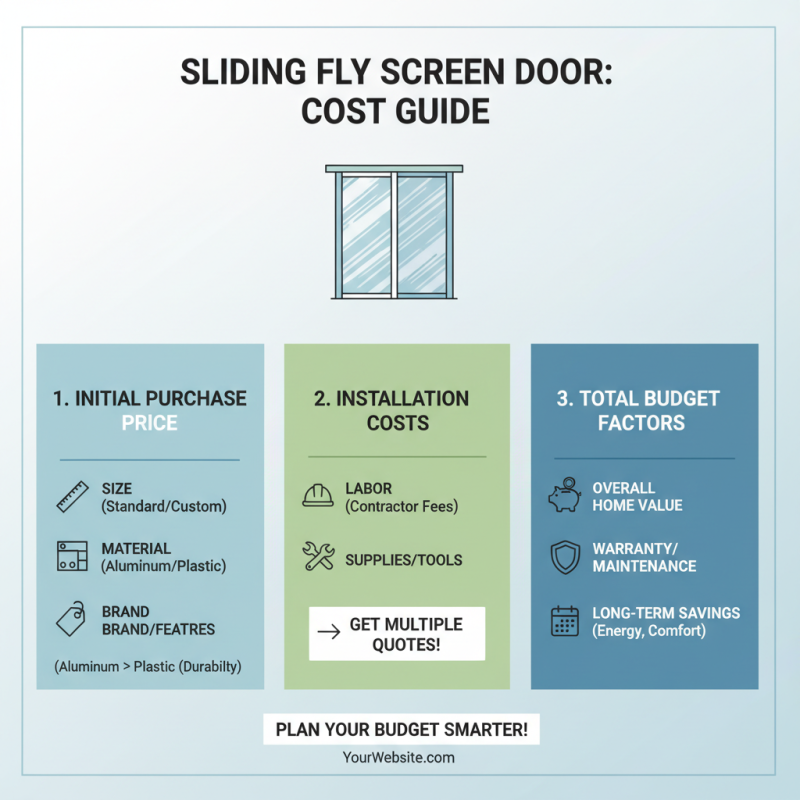
When planning to install a sliding fly screen door, understanding the cost considerations is crucial to ensure that it fits within your budget. The initial purchase price of the door can vary significantly based on factors like size, material, and brand. Generally, aluminum frames tend to be more expensive than plastic ones, but they offer greater durability and longevity. Homeowners should also factor in additional expenses such as installation costs, which can add to the overall budget. It is advisable to obtain quotes from several contractors to get a clearer picture of these potential costs.
Budgeting for a sliding fly screen door also involves considering long-term maintenance and repair expenses. Regular upkeep is necessary to keep the screen in good condition, so it is wise to set aside a small portion of your budget for routine maintenance. Additionally, assessing the door's warranty and potential replacement costs can provide further insight into its overall affordability. By planning for both immediate and future expenses, homeowners can make informed decisions that ensure they choose the perfect sliding fly screen door without breaking the bank.