How to Install a Sliding Fly Screen Door for Maximum Home Protection
When it comes to ensuring maximum protection for your home, one often overlooked yet highly effective solution is the installation of a sliding fly screen door. This ingenious addition not only enhances the aesthetic appeal of your entryways but also serves as a robust barrier against unwanted pests, allowing fresh air to circulate while keeping bugs at bay. With the growing concern for homeowners regarding energy efficiency and indoor air quality, a sliding fly screen door emerges as a practical solution that merges functionality with style.
Installing a sliding fly screen door can significantly elevate the security and comfort of your living spaces. It provides an easy-to-use access point while ensuring that your home remains safeguarded from insects and other intrusions. Moreover, a well-installed sliding fly screen door contributes to better ventilation, reducing the need for air conditioning and promoting a refreshing ambiance throughout the home. This guide will walk you through the essential steps and considerations for installing a sliding fly screen door, ensuring that you are equipped to make an informed and effective upgrade to your home protection strategy.
Choosing the Right Sliding Fly Screen Door for Your Home
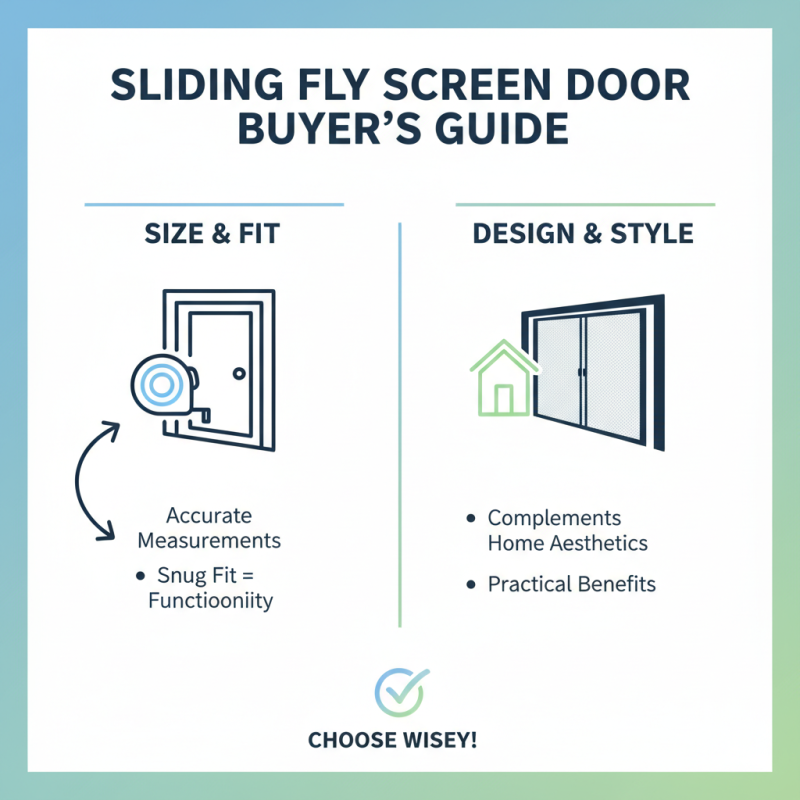
When choosing the right sliding fly screen door for your home, several factors come into play to ensure you select the ideal option for your needs. First, consider the size of your door frame. Accurate measurements are crucial to guarantee a snug fit that does not compromise the door's functionality. Additionally, assess the design and style of the fly screen door. Opt for a design that complements your home’s aesthetic while providing practical benefits.
Tips: Select a screen material that is durable and resistant to tears and wear. Fiberglass screens are popular for their lightweight properties, while aluminum screens offer stronger durability. Ensure the screen can be easily removed and cleaned to maintain visibility and performance.
Another consideration is the ease of installation and operation. Look for sliding mechanisms that are smooth and reliable, as well as features that enhance security while allowing for ventilation. Some models come with locking features that can provide an extra layer of protection against pests and intruders.
Tips: When installing, ensure the roller tracks are clean and free from debris to promote smooth sliding. Regular maintenance checks will help prolong the longevity of your fly screen door and keep it functioning optimally.
Essential Tools and Materials for Installation
When installing a sliding fly screen door, having the right tools and materials is crucial for a successful setup. Begin with essential tools such as a measuring tape, level, and pencil for accurate measurements and markings. A utility knife will be needed for cutting the screen material to size, while a screwdriver or drill helps secure the frame to your door area. Additionally, you may need a hammer for tapping in any necessary anchors or pins, ensuring everything fits snugly.
In terms of materials, the primary components include the sliding fly screen door kit, which typically consists of the frame, screen mesh, and sliding mechanism. You will also require adhesive or weather stripping to prevent any gaps that might allow insects entry. For added stability, consider using corner brackets or additional screws to reinforce the structure. Make sure to have extra screen mesh on hand to replace or patch any tears that may occur over time. By gathering these tools and materials beforehand, you can streamline the installation process and enhance the efficiency of your fly screen door setup.
Step-by-Step Guide to Preparing the Door Frame
When preparing a door frame for the installation of a sliding fly screen door, it's essential to ensure that the frame is properly measured and structurally sound. According to the Screens and Shades market analysis published by Smithers, the demand for insect screens has increased by 30% in the past five years, emphasizing the importance of having effective home protection against pests. Accurate measurement of the door opening is crucial; it prevents gaps that could allow insects to enter and ensures a snug fit for the fly screen.
In addition to measurements, assessing the condition of the door frame is critical for installation success. A survey by the Home Improvement Research Institute found that nearly 20% of homeowners overlook minor repairs before installation, which can lead to complications later on. Any signs of wear, such as warping or rot, should be addressed to maintain the integrity of the frame and the effectiveness of the fly screen door. Using a level to check the vertical and horizontal alignment of the frame will ensure that the sliding mechanism operates smoothly and efficiently, providing not just convenience but also the maximum defense against unwanted intruders.
How to Install a Sliding Fly Screen Door for Maximum Home Protection
| Step |
Task Description |
Tools Required |
Estimated Time |
| 1 |
Measure the door frame for accurate fit. |
Measuring tape, pencil |
15 minutes |
| 2 |
Select appropriate fly screen door size. |
None |
10 minutes |
| 3 |
Remove the existing door if necessary. |
Screwdriver, pry bar |
30 minutes |
| 4 |
Install the mounting track for the screen door. |
Drill, level |
20 minutes |
| 5 |
Attach the fly screen door to the mounted track. |
None |
15 minutes |
| 6 |
Test the screen door for smooth operation. |
None |
5 minutes |
| 7 |
Make any necessary adjustments. |
None |
10 minutes |
Installing the Sliding Fly Screen Door: A Detailed Procedure
Installing a sliding fly screen door is a strategic choice for homeowners looking to enhance their home protection while maintaining ventilation. The installation process begins with accurate measurements of your door frame to ensure a perfect fit. According to industry reports, proper sizing can significantly reduce pest infiltration, with studies indicating that up to 60% of homes experience pest problems if door entries remain unprotected.
Once you have the necessary dimensions, prepare your tools and the sliding fly screen door kit. The typical installation involves securing the sliding tracks to the door frame, which can be accomplished using screws or adhesive strips, depending on the product specifications. Ensure that the screen material is taut yet flexible, allowing for easy sliding while preventing larger insects from entering. Research by the American Home Improvement Association suggests that after installation, homes with fly screens can see a reduction in unwanted insects by up to 90%, making it an effective barrier. Finally, always check that the screen operates smoothly, as regular maintenance, such as cleaning the tracks, can prolong the screen's lifespan and efficiency.
Tips for Maintaining and Optimizing Your Sliding Fly Screen Door
To keep your sliding fly screen door in optimal condition, regular maintenance is essential. Start by inspecting the screen for any tears or damage. Small punctures can often be repaired with adhesive screen patches, but larger issues may require replacing the entire door. Additionally, check the tracks; dirt and debris can hinder smooth operation. Cleaning the tracks with a soft brush and a damp cloth will help ensure the door slides effortlessly, enhancing both functionality and longevity.
Another important aspect is lubrication. Applying a silicone-based lubricant to the rollers and tracks can prevent rust and keep the door operating quietly. Make it a habit to perform this maintenance at least twice a year. Furthermore, consider seasonal inspections. Before the warmer weather hits, ensure that the screen is intact to allow for maximum airflow while keeping insects at bay. Lastly, always store the screen door in a safe, covered area during harsh weather to prevent unnecessary damage and prolong its life.
Sliding Fly Screen Door Maintenance Benefits