Top 10 Tips for Choosing Aluminium Windows for Your Home
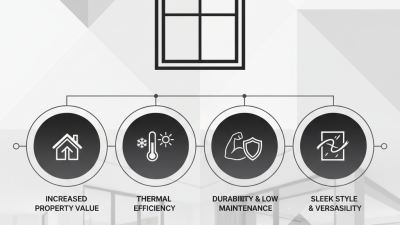
Choosing the right windows for your home can significantly impact energy efficiency, aesthetics, and overall property value. Among various options, aluminium windows have gained popularity for their durability, low maintenance, and modern appeal. According to a recent report by the Global Aluminium Windows Market, the sector is expected to grow at a CAGR of 5.2% over the next five years, driven by increased consumer awareness of energy-efficient solutions and advancements in manufacturing technologies. This rising demand underscores the importance of making well-informed choices when selecting aluminium windows.
Industry expert John Smith, a noted analyst in building materials, emphasizes the importance of quality and design in selecting aluminium windows, stating, “Investing in the right aluminium windows not only enhances the visual appeal of your home but also ensures energy efficiency that translates into long-term savings.” As homeowners become more discerning, understanding the key factors in choosing aluminium windows becomes essential. From thermal performance to aesthetic customization, this guide will provide you with the top tips for making the best decision for your home.
Understanding Aluminium Windows: A Comprehensive Overview
When considering aluminium windows for your home, it’s crucial to understand their unique characteristics and benefits. Aluminium windows are known for their durability and resistance to corrosion, making them a long-lasting choice for homeowners. According to industry reports, aluminium frames can last over 30 years with minimal maintenance, far surpassing the lifespan of traditional timber frames. Additionally, they contribute to energy efficiency; the use of thermal breaks in aluminium window design can improve insulation, aiding in reducing heating and cooling costs by up to 30% compared to non-insulated frames.
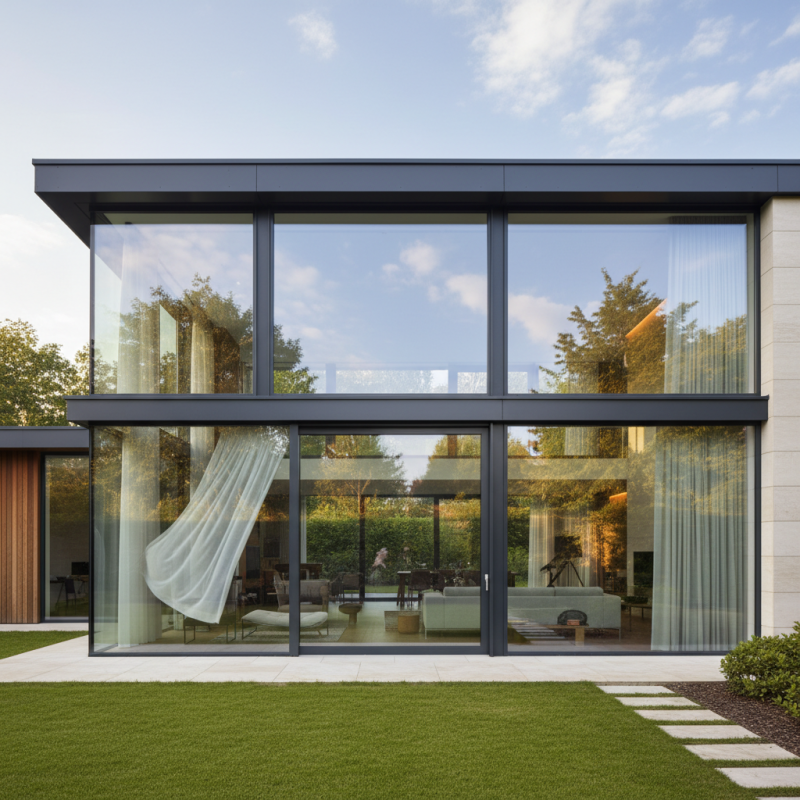
Moreover, the versatility in design is one of aluminium windows' standout features. They can be manufactured in a variety of shapes, sizes, and finishes, allowing homeowners to achieve a modern aesthetic without compromising on functionality. Reports indicate that 70% of architects prefer aluminium for its design flexibility as it can accommodate expansive glass panels, offering an abundance of natural light while maintaining structural integrity. This combination of strength, energy efficiency, and design appeal makes aluminium windows a preferred choice in contemporary housing projects.
Evaluating Energy Efficiency Ratings for Aluminium Windows
When selecting aluminium windows for your home, one of the most critical aspects to consider is their energy efficiency ratings. According to the American Architectural Manufacturers Association (AAMA), windows can contribute to as much as 25-30% of a home's heating and cooling energy use. Therefore, choosing windows with high energy efficiency ratings can result in significant savings on energy bills while also enhancing indoor comfort. Look for windows labeled with the Energy Star certification, which indicates that they meet or exceed the rigorous energy efficiency guidelines set by the U.S. Environmental Protection Agency.
In terms of specific metrics, the U-factor and solar heat gain coefficient (SHGC) are two important ratings to assess. The U-factor measures the rate of heat transfer and is a crucial indicator of insulation effectiveness; a lower U-factor means better insulation. The National Fenestration Rating Council (NFRC) states that U-factors for energy-efficient aluminium windows typically range from 0.25 to 0.35. Similarly, SHGC measures how much solar heat passes through the window, with lower values being advantageous in warmer climates. Selecting windows with both low U-factors and SHGC can create a comfortable living environment and a more sustainable home overall, reducing reliance on artificial heating and cooling systems.
Exploring Different Styles and Designs of Aluminium Windows
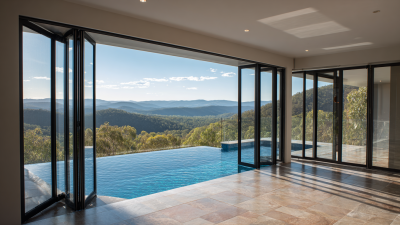
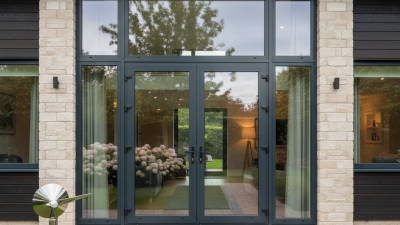
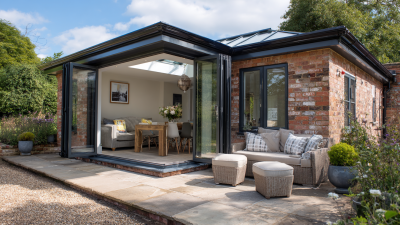
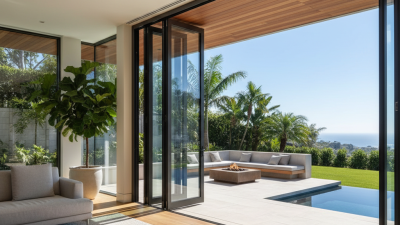
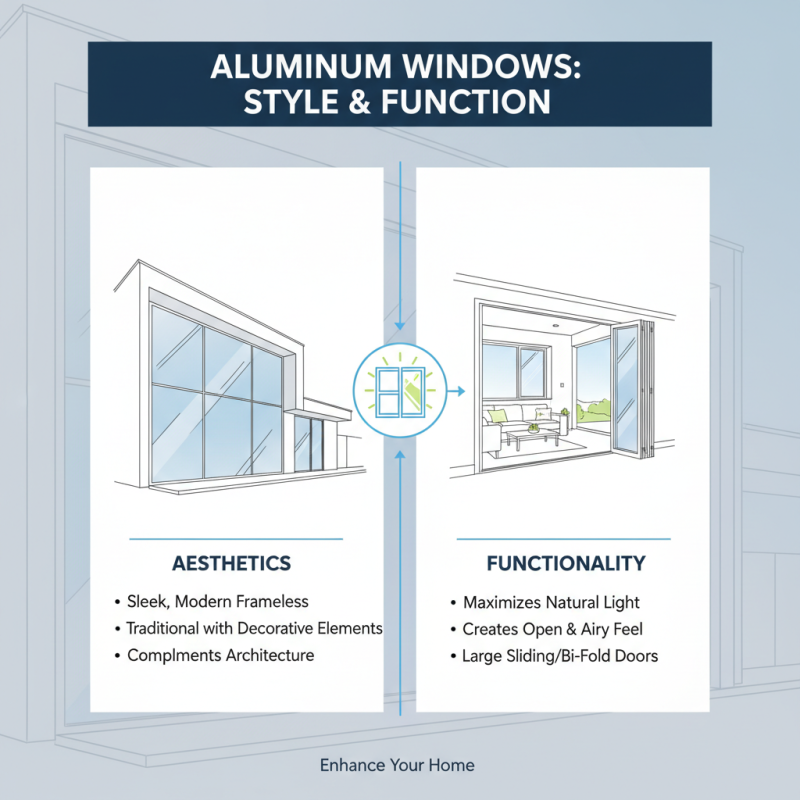
When exploring different styles and designs of aluminium windows for your home, it’s essential to consider both aesthetics and functionality. Aluminium windows are available in a range of designs, from sleek and modern frameless styles to more traditional designs with decorative elements. The choice of style can significantly enhance the overall look of your home, complementing its architectural features while providing a contemporary feel. For instance, large sliding or bi-fold doors made from aluminium not only create an open and airy atmosphere but also allow for maximum natural light, making your living space feel larger.
In addition to styles, colours and finishes play a crucial role in the design of aluminium windows. Homeowners can choose from a variety of powder-coated finishes, allowing for customization to match their property’s exterior. Classic shades like white or black offer timeless elegance, while bold colour options can make a striking statement. Additionally, some manufacturers provide textured finishes that mimic the appearance of wood, delivering the warmth of timber with the durability of aluminium. This blend of versatile styles and customizable finishes ensures that aluminium windows can be tailored to suit any home design, making them a popular choice for modern and traditional properties alike.
Assessing the Importance of Quality and Durability in Aluminium Frames
When selecting aluminium windows for your home, the quality and durability of the frames should be at the forefront of your decision-making process. According to a recent report by the International Aluminium Institute, aluminium is not only lightweight but also boasts excellent strength-to-weight ratios, making it a preferred choice for window frames. High-quality aluminium frames can withstand extreme weather conditions, resisting corrosion and maintaining their structural integrity for decades. Investing in durable materials not only enhances the aesthetic appeal of your home but also contributes to energy efficiency, as properly fitted windows can reduce heating and cooling costs by up to 30%.
To ensure you choose windows that offer both quality and durability, consider these key tips: First, opt for frames with a thermal break feature, which improves insulation and reduces condensation. Second, look for products with a powder-coated finish to provide a protective barrier against scratches and environmental elements. Lastly, always check for warranties or guarantees that reflect the manufacturer’s confidence in their product's lifespan—generally speaking, a warranty of 10 years or more is a good indicator of quality. Adhering to these guidelines will not only safeguard your investment but also enhance the overall comfort and efficiency of your home.
Budgeting and Cost Considerations for Aluminium Window Installation
When planning the installation of aluminium windows, budgeting effectively is paramount. The initial cost can be significant, with estimates showing that the average price for aluminium window installations ranges from $750 to $1,200 per window, depending on various factors such as size, style, and complexity of installation. According to a report by the Aluminium Federation, materials typically account for about 30 to 40% of the total project cost. Consequently, homeowners should also factor in additional expenses, including labor, which can vary between $50 to $100 per hour, and any necessary preparatory work that may be required.
In addition to the upfront costs, it’s essential to consider long-term savings associated with aluminium windows. Research from the U.S. Department of Energy suggests that energy-efficient fixtures can lead to a reduction of 10 to 25% in heating and cooling bills when compared to standard windows. While opting for high-performance aluminium windows may involve a larger initial investment, the average homeowner can recoup these costs over time through decreased energy bills and enhanced property value. Therefore, a comprehensive understanding of both immediate expenses and long-term financial benefits is crucial for making an informed decision on aluminium window installation.