Top Kitchen Wall Cabinets for Global Buyers
Choosing the right Kitchen Wall Cabinets is rarely just a matter of color or price. Global buyers must assess construction, storage capacity, installation needs, and long-term reliability. A cabinet that performs well in a dry climate may require different materials in a humid coastal region.
This guide examines leading options for international kitchens, from compact units for apartments to reinforced cabinets for busy family spaces. It considers moisture-resistant boards, durable hinges, adjustable shelves, and safe wall-mounting systems. Small details matter. A soft-close hinge should move smoothly, not scrape or stall. Door edges should feel sealed, especially near sinks and cooking areas. These checks help buyers compare products beyond attractive catalog photographs.
Reliable purchasing also requires attention to dimensions, packaging, certifications, and supplier communication. Wall structures vary across countries, so mounting hardware may not suit every installation. Confirm measurements carefully. A few centimeters can disrupt an entire kitchen layout. Buyers should request material specifications, load ratings, finish samples, and clear warranty terms before placing large orders. Factory quality records and independent inspections can provide additional confidence, although neither guarantees perfection. No single cabinet fits every market. That is worth remembering. Some recommendations may need adjustment after local installers review ventilation, wall strength, and appliance placement. With practical evidence and careful comparison, buyers can select Kitchen Wall Cabinets that balance appearance, safety, durability, and value across different global markets.
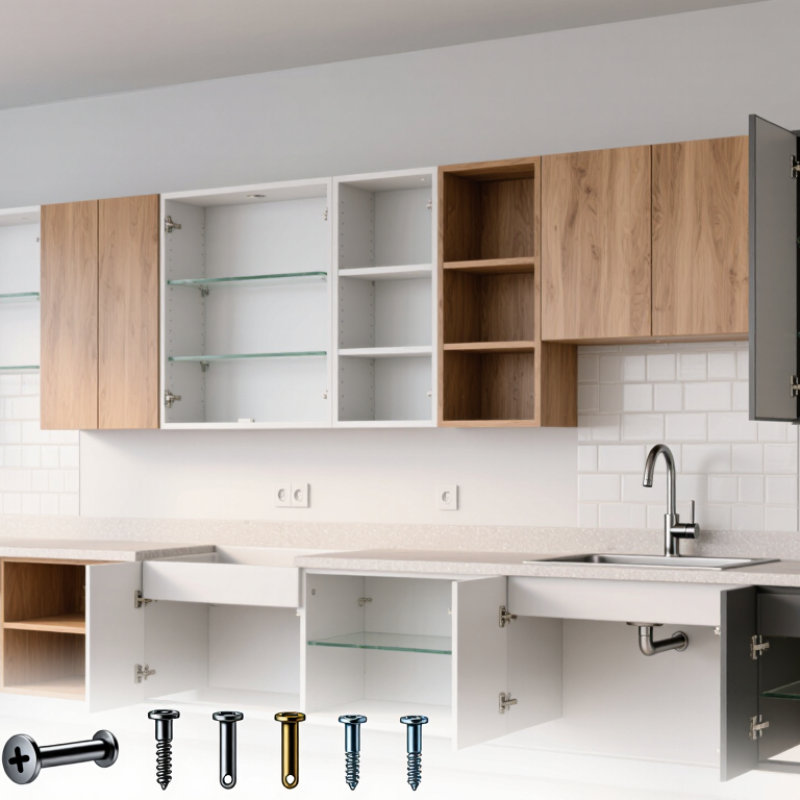
Global Wall Cabinet Dimensions: 300–900 mm Heights and 300–400 mm Depths
Top Kitchen Wall Cabinets for Global Buyers
Global wall cabinets commonly range from 300 to 900 mm in height. Depths usually measure 300 to 400 mm. These dimensions support different storage needs without crowding the work surface.
A 300 mm deep cabinet suits plates, glasses, and narrow kitchens. A 400 mm depth offers more room for bowls and small appliances.
Measure carefully. A 600 mm high cabinet often works above standard countertops, while 900 mm models provide stronger vertical storage. However, ceiling height, ventilation, and user reach can change the best choice. Leave practical clearance above cooking areas and check door movement before ordering. Small errors become obvious after installation.
Real projects often reveal limitations. A cabinet that fits the wall may block a window or feel uncomfortable to use. Uneven walls can also create visible gaps.
I recommend confirming finished wall measurements, not only construction drawings. Use adjustable mounting rails where possible. They help correct minor alignment problems, though they cannot fix a poorly planned layout.
Lower-depth units may look less impressive, but they usually improve movement in compact kitchens.
Safety Standards: EN 14749, ANSI/KCMA A161.1, and ISO 7170
Top Kitchen Wall Cabinets for Global Buyers
Safety begins with the cabinet’s structure, not its appearance. EN 14749 covers domestic storage furniture and kitchen units, including stability, strength, and safety risks. Buyers should examine wall cabinets under practical conditions. Doors must remain secure after repeated opening. Shelves should support realistic loads without visible bending. A loaded cabinet should not shift when mounted correctly. Small details matter, such as concealed edges, reliable hinges, and secure fixing points.
ANSI/KCMA A161.1 evaluates cabinet construction and performance through recognized tests. These tests may include door operation, drawer cycling, load resistance, and finish durability.
ISO 7170 also addresses storage-unit strength, durability, and stability. The standards are related, but they are not interchangeable.
A supplier’s test report should identify the exact model, materials, test methods, and production date. Vague compliance claims deserve questions.
Installation remains part of safety. A strong cabinet can fail on a weak wall or unsuitable fastener. Ask for mounting guidance for masonry, timber framing, or engineered panels. Confirm the recommended load after installation, not only the laboratory load.
In my experience, buyers often focus on hinges and finishes first. That is understandable, but the wall connection deserves equal attention. Certification is useful evidence, not a substitute for inspection. Some documents may be incomplete, and that weakness should be recorded before purchase.
Storage Engineering: 110° Hinges, Adjustable Shelves, and Load Ratings
Top Kitchen Wall Cabinets for Global Buyers
Storage Engineering: 110° Hinges, Adjustable Shelves, and Load Ratings
For global buyers, kitchen wall cabinets should be judged by hardware, not appearance alone. A 110° hinge opens the door wider, giving installers clearer access to shelves and stored cookware. This angle also reduces awkward contact with adjacent doors. In a compact kitchen, that extra movement matters. Measure twice.
Adjustable shelves make one cabinet serve different households. A 32 mm drilling system allows shelf pins to move in small, practical steps. Heavy plates need lower support, while glasses can use a tighter vertical gap. Shelf boards should sit firmly, without rocking when a door closes. Check the pin diameter and hole depth before ordering; small mismatches create expensive frustration. I have seen attractive cabinets lose usability because shelf adjustment was treated as decoration.
Load ratings should be stated per shelf, per cabinet, and under defined conditions. A shelf rated for 15 kg may perform differently with uneven weight or repeated impact. Buyers should request test methods, material thickness, edge reinforcement, and fixing requirements. Wall type matters too. Masonry, timber framing, and lightweight panels need different anchors. Do not assume the cabinet carries the wall load alone. A practical inspection includes opening the door repeatedly, checking hinge screws, and confirming that shelves remain level. Ratings are useful, but real installation can be less forgiving.
Top Kitchen Wall Cabinets for Global Buyers — Storage Engineering
Common engineering benchmarks for 110° hinges, adjustable shelves, and load ratings
The chart compares commonly used kitchen cabinet specifications: a 110° hinge opening, 32 mm shelf-pin spacing, a 15 kg adjustable-shelf rating, and a 40 kg wall-cabinet rating. Actual load performance depends on cabinet construction, wall fixing, hardware quality, and how evenly the weight is distributed.
International Sourcing: 20–40 Day Lead Times and ISTA 3A Packaging Tests
Top Kitchen Wall Cabinets for Global Buyers
International sourcing can deliver kitchen wall cabinets in 20–40 days, but the timeline needs careful definition. It may include production, inspection, booking, and export clearance, but not every destination’s customs process. The 2023 World Bank Logistics Performance Index highlights tracking, timeliness, and logistics competence as major trade factors. These factors can change the real arrival date. UNCTAD reports that more than 80% of global merchandise trade moves by sea, so port congestion and vessel schedules still matter. A 20-day promise is possible. It is not risk-free.
Packaging should be tested before mass production. ISTA 3A evaluates parcel delivery risks, including vibration, shock, compression, and atmospheric conditions. For wall cabinets, suppliers should protect corners, hinges, glass panels, and mounting hardware separately. A practical test can include repeated drops, stacked cartons, and vibration exposure. Record carton damage and internal movement. The packaging plan may still need revision after testing. That is normal, not failure. Buyers should request test reports, carton dimensions, gross weight, and loading photographs. These details improve freight planning and warehouse handling.
Tips: Add a three-to-five-day buffer to the quoted lead time. Use moisture-resistant inner wrapping for humid routes. Mark carton orientation clearly. Confirm whether the 20–40 days begin after deposit, drawing approval, or final inspection. A clear starting point prevents expensive misunderstandings.