Why Choose Black Aluminium Windows for Modern Buildings?
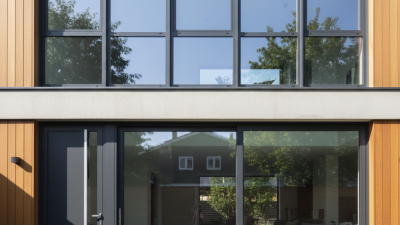
Why are black aluminium windows appearing across contemporary homes, offices, hotels, and cultural buildings? Their appeal extends beyond a dramatic black frame. Slim aluminium profiles create wide glass openings, sharp sightlines, and a disciplined contrast against concrete, brick, timber, or pale stone.
Industry data supports aluminium’s long-term relevance. The International Aluminium Institute reports that approximately 75% of all aluminium ever produced remains in use today. That durability matters when a building is expected to perform for decades. The International Energy Agency also identifies buildings as a major source of global energy demand, making window design an important part of envelope performance. However, colour alone cannot improve efficiency. A black frame still needs thermal breaks, suitable glazing, accurate installation, and careful solar-control planning.
“Windows are holes in the wall,” building-science expert Joseph Lstiburek reminds designers. The phrase sounds blunt. It is useful. Even premium black aluminium windows can underperform when junctions leak air or glazing specifications are poorly matched to orientation. North-facing and south-facing elevations may need different solutions.
Reports from the American Architectural Manufacturers Association and European Aluminium also underline the importance of tested performance, material durability, and responsible manufacturing. Powder-coated finishes can provide a consistent surface, while recycled aluminium can reduce material impacts. Yet recycled content, coating quality, and certification vary between suppliers.
The result is not automatically perfect. Black aluminium windows demand thoughtful detailing. When properly specified, they offer a strong balance of visual restraint, structural precision, durability, and daylight access for modern buildings.
What Are Black Aluminium Windows?
Black aluminium windows are window systems with frames made from extruded aluminium alloy and finished in a dark coating, usually powder coating or anodising. The colour is not the structure itself. Inside the frame, thermal breaks reduce heat transfer between the interior and exterior surfaces. Insulating glass, low-emissivity coatings, warm-edge spacers, and accurate seals further influence performance. A slim black frame can create a crisp façade, but its appearance depends on careful fabrication and installation.
The International Energy Agency reports that buildings consume about 30% of global final energy and produce roughly 26% of energy-related emissions. Therefore, choosing black aluminium windows should involve more than visual appeal. Check the tested U-factor, solar heat gain coefficient, air leakage, and water resistance. The National Fenestration Rating Council uses these measures to compare window performance under standard conditions. In hot climates, dark frames may absorb more solar radiation, while high-performance glazing can limit unwanted heat gain. The effect varies with orientation, shading, glass specification, and frame design.
“Low maintenance” is not the same as “maintenance-free.” Dust and rain marks can appear clearly on dark surfaces, especially around coastal or heavily polluted sites. Small installation gaps can also undermine excellent factory ratings. A reliable specification should include documented test results, drainage details, compatible sealants, and installer experience. The best-looking frame may still perform poorly if the surrounding wall is not designed properly.
How Black Aluminium Windows Support Modern Architectural Design
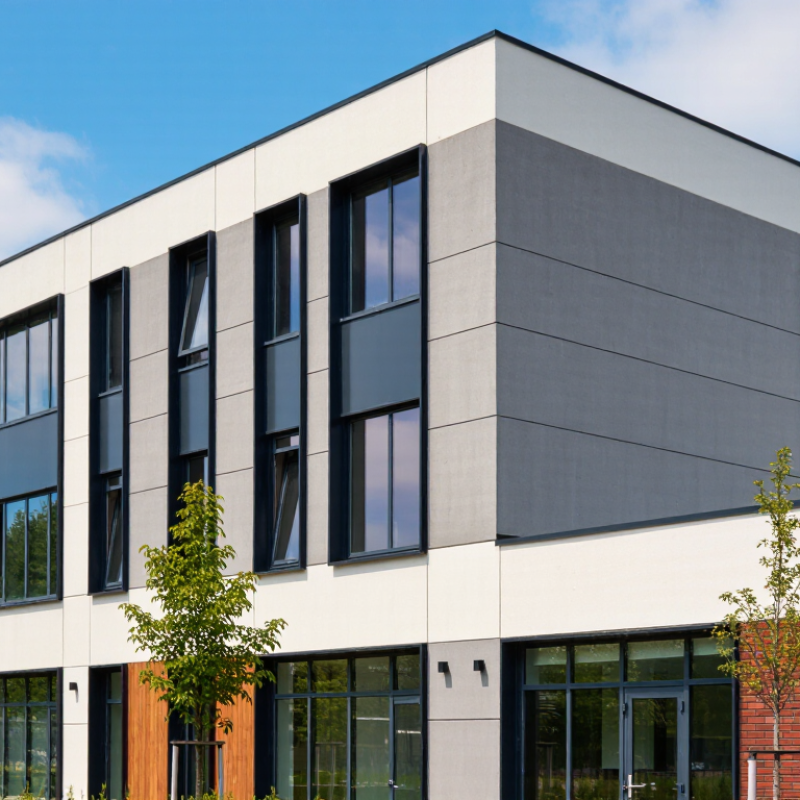
Black aluminium windows support modern architectural design through proportion, contrast, and visual discipline. Their narrow sightlines can enlarge perceived glass areas without making façades appear heavy. A matte black frame also defines clean edges around concrete, timber, stone, and exposed brick. The effect is immediate. In practice, I have found that dark frames make interior views feel more intentional, especially beside pale walls and deep window reveals.
Good design requires more than appearance. The International Energy Agency reports that buildings consume about 30% of global final energy. Window specifications therefore deserve careful attention. Black aluminium profiles should include thermal breaks, low-emissivity glazing, and tested airtightness. U-value and solar heat gain coefficient matter more than colour. The U.S. Department of Energy identifies these properties as key factors in reducing heating and cooling demand. A dark exterior finish may absorb more solar heat, particularly on south-facing elevations, so shading and glass selection must be coordinated.
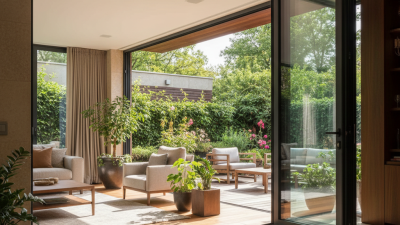
Modern architecture also benefits from adaptable window systems. Large openings can improve daylight access and strengthen connections with courtyards, streets, or planted terraces. The WELL Building Standard and daylight research both recognise the importance of useful natural light, although more glass is not automatically better. Glare can disturb occupants. Reflections can weaken visual comfort. Designers should test room orientation, nearby buildings, and seasonal sun paths before finalising the frame colour. Black aluminium is powerful, but it is not a shortcut. Small detailing errors around corners, seals, and drainage can undermine an otherwise refined façade.
Key Benefits of Black Aluminium Windows in Contemporary Buildings
Why Choose Black Aluminium Windows for Modern Buildings?
Black aluminium windows bring a sharp, architectural character to contemporary buildings. Their slim frames create clear sightlines and make large glass areas feel more open. In daylight, the dark finish contrasts strongly with pale concrete, warm timber, brick, or textured stone. This visual balance often helps a simple façade appear more deliberate.
Durability is another practical benefit. Aluminium resists warping, swelling, and insect damage, making it suitable for changing weather conditions. A properly finished surface can retain its appearance for many years with routine cleaning. It also supports narrow profiles without sacrificing structural strength. This allows architects to increase natural light while maintaining stable window proportions. Thermal performance still depends on the frame design, glazing, seals, and installation quality.
Black frames are not maintenance-free. Dust, water marks, and fingerprints can appear more clearly than on lighter finishes. Regular washing with mild soap may be necessary, especially on busy streets. I have also found that visual appeal can influence decisions too strongly. A dramatic frame cannot correct poor ventilation, weak shading, or careless fitting. Project teams should check local climate data and confirm tested insulation values before selecting the system. Small details matter, including drainage paths, handle placement, and the junction between the frame and wall. A beautiful window can still perform poorly when installation is rushed.
Performance, Durability, and Maintenance Considerations
Black aluminium windows suit modern buildings because their slim frames create crisp, disciplined elevations. Yet appearance is only one consideration. Aluminium conducts heat, so thermal breaks are essential for reducing heat transfer between indoor and outdoor surfaces. High-performance glazing also affects comfort, condensation risk, and energy use. A well-designed frame cannot compensate for poorly selected glass.
They are not maintenance-free. Dust often gathers along the lower track, especially beside busy roads or construction sites. Rinsing the frames with clean water and using a mild, non-abrasive cleaner usually protects the finish. Avoid harsh chemicals and metal tools. They can leave permanent marks. Drainage channels need occasional inspection, because blocked openings may allow water to remain inside the frame.
Durability depends on coating quality, drainage design, installation, and local exposure. Coastal buildings require closer attention because salt can attack unprotected surfaces and fittings. Dark finishes may also show pale dust, scratches, and water spots more clearly than lighter colours. On site, installers should check frame alignment, perimeter seals, glass packing, and fixing points before handover. Small gaps can create noticeable drafts later. Maintenance schedules should follow the building’s environment, not a generic calendar. That judgment is sometimes overlooked. Local building requirements and qualified technical advice should guide final specifications.
How to Choose the Right Black Aluminium Windows for a Project
Choosing the right black aluminium windows requires more than matching a modern façade. Start with the building’s orientation, climate, and energy targets. South-facing rooms may need solar-control glazing, while shaded elevations often benefit from higher insulation values. Ask for tested thermal performance, air tightness, water resistance, and wind-load data. These details are more useful than appearance alone.
Tips: Request physical frame samples before approval. Black finishes can look different under sunlight, shade, and interior lighting. Compare glazing options beside the proposed wall material. Check drainage paths, gasket quality, locking points, and opening limits. Confirm that the selected system meets local building requirements and supports the project’s ventilation strategy. Small details matter.
Installation quality can decide whether a good window performs well. Review sill flashing, perimeter sealing, frame alignment, and the connection between window and insulation. On site, protect dark frames from cement dust and scratches. Powder coating is durable, but it is not indestructible. It is tempting to choose the narrowest frame for a cleaner view, yet slimmer sections may affect strength, cost, or glass size. A careful decision should balance design, maintenance, comfort, and long-term evidence rather than relying on visual appeal.
Why Choose Black Aluminium Windows for Modern Buildings?
Black aluminium windows combine a modern architectural appearance with the strength, dimensional stability, recyclability and low-maintenance performance associated with aluminium framing. The chart presents an indicative 1–5 evaluation of key selection criteria for project planning.
When selecting a system, verify the declared U-value, air and water performance, wind resistance, thermal-break design, coating specification, glazing compatibility and local code compliance for the intended building location.