Why Choose Energy Efficient Windows for Global Buyers?
Why Choose Energy Efficient Windows for Global Buyers?
For global buyers, energy efficient windows are more than a modern building feature. They influence indoor comfort, operating costs, and long-term property value. In a cold city, a well-insulated window can reduce the chill near a glass wall. In a hot region, suitable glazing can limit solar heat before air conditioning starts. These practical differences matter in homes, offices, hotels, and renovation projects.
Performance depends on more than the label. Frame material, glass layers, low-emissivity coatings, gas fills, installation quality, and local climate all affect results. Experienced buyers usually request verified U-values, solar heat gain data, air leakage ratings, and independent test reports. They also check whether the supplier understands regional building standards and provides clear warranty terms. A cheaper product may become expensive when condensation, drafts, or replacement work appears later. That lesson is easy to overlook.
Energy efficient windows can support lower energy demand and steadier room temperatures, but they are not a complete solution. Shading, ventilation, wall insulation, and careful installation remain essential. Buyers should compare whole-life performance, not only the purchase price. Product claims can sound impressive. Evidence matters more. Certification systems differ between markets, so technical documents should be reviewed by qualified professionals when projects are complex. Even then, results may vary because workmanship is never perfectly consistent. This is an imperfect decision, not a simple shopping choice. The right window balances climate, budget, design, maintenance, and trustworthy technical support.
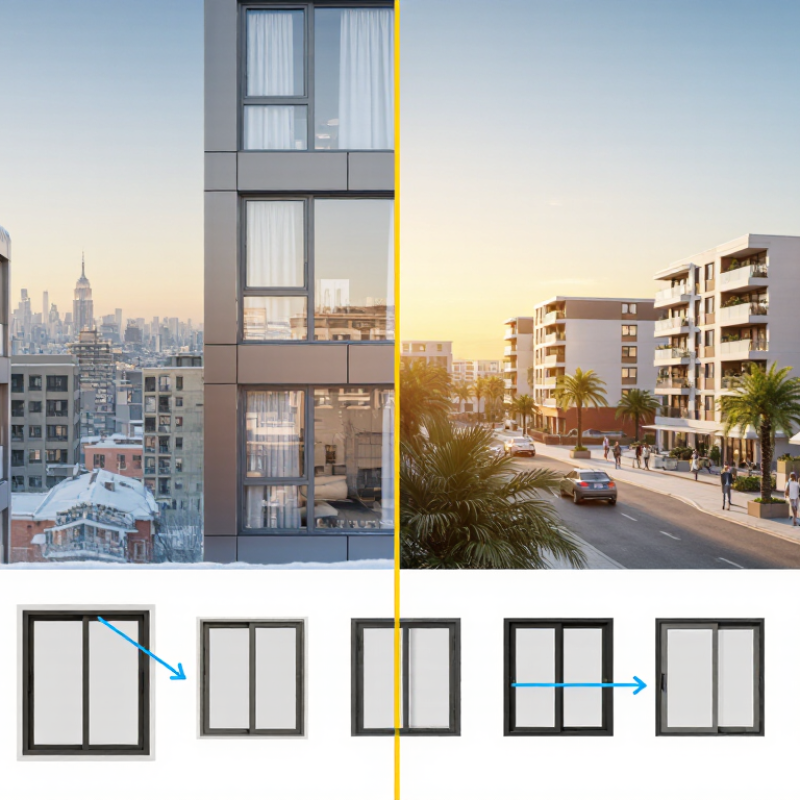
What Are Energy-Efficient Windows?
Energy-efficient windows are designed to reduce unwanted heat transfer between a building and the outdoors. They usually combine insulated glass, low-emissivity coatings, and carefully sealed frames. Some models also contain argon gas between the panes. This gas slows heat movement through the glass.
Their performance depends on measurable factors. The U-factor shows how quickly heat escapes through the window. A lower number generally means better insulation. The solar heat gain coefficient, or SHGC, indicates how much sunlight enters the room. In hot climates, a lower SHGC can reduce cooling demand. In colder regions, moderate solar gain may provide useful warmth. Local climate matters more than a single impressive rating.
Installation quality is equally important. Even excellent glass can perform poorly when gaps remain around the frame. During practical inspections, small air leaks often appear near corners, locks, or unfinished wall openings. Proper flashing, insulation, and weather sealing help prevent these problems. Window orientation matters too. A west-facing window may receive harsh afternoon sun, while a shaded north-facing window behaves differently. Energy-efficient windows are not magic. They can lower drafts, indoor temperature swings, and utility use, but savings vary with ventilation, shading, building age, and occupant habits. Some highly insulated units also reduce natural ventilation, so a balanced design deserves careful thought.
Why Choose Energy-Efficient Windows for Global Buyers?
What Are Energy-Efficient Windows?
Energy-efficient windows are designed to reduce heat transfer through improved glazing, low-emissivity coatings, gas fills, and insulated frames. The chart uses representative center-of-glass U-factors: a lower U-factor means better insulation. Compared with single-pane glass, low-e double and triple glazing can substantially reduce conductive heat flow.
Representative U-factor values are based on commonly published residential window performance ranges. Actual performance varies by product design, climate, frame material, installation quality, and certified ratings.
How Do Energy-Efficient Windows Reduce Heat Transfer?
Why Choose Energy Efficient Windows for Global Buyers?
How Do Energy-Efficient Windows Reduce Heat Transfer?
Energy-efficient windows slow heat movement through several engineered layers. Low-emissivity coatings reflect infrared energy while allowing daylight inside. Insulating gas between glazing panels reduces conduction. Warm-edge spacers also limit heat loss around the glass perimeter.
The U.S. Department of Energy reports that windows can cause 25% to 30% of residential heating and cooling energy use. In winter, indoor heat naturally moves toward colder outdoor air. In summer, sunlight and outdoor heat travel inward. Double or triple glazing creates a longer thermal path, so rooms stay more stable. A 2023 Lawrence Berkeley National Laboratory review also found that window performance depends on glazing, frames, orientation, and installation quality. Ratings matter, but they are not the whole story.
Tips: Choose a low U-factor for cold climates and a low solar heat gain coefficient for hot climates. Check both values on certified performance labels. Small gaps matter. Poor sealing can weaken expensive glass. Measure twice. Local weather, shading, and wall insulation should guide the final choice. I have seen specifications look impressive while an uninsulated frame still feels cold beside a window seat. That is an easy detail to miss.
Why Choose Energy Efficient Windows for Global Buyers? - How Do Energy-Efficient Windows Reduce Heat Transfer?
Energy-efficient windows reduce heat transfer by combining multiple panes, low-emissivity coatings, insulating gas fills, thermally improved frames, and tighter seals. The values below are representative ranges for commonly specified window systems; actual performance depends on the complete window, size, frame material, installation quality, and local climate.
| Performance Dimension |
Single Clear Glass |
Double Clear Glass |
Double Low-E Argon |
Triple Low-E Argon |
Typical whole-window U-factor
(W/m²·K) |
Approximately 5.0–6.0 |
Approximately 2.5–3.0 |
Approximately 1.2–1.8 |
Approximately 0.6–1.0 |
| Indicative heat-loss reduction versus single clear |
Baseline |
Approximately 45%–55% |
Approximately 65%–78% |
Approximately 80%–90% |
| Typical solar heat gain coefficient (SHGC) |
Approximately 0.70–0.85 |
Approximately 0.55–0.70 |
Approximately 0.35–0.60 |
Approximately 0.25–0.50 |
| Typical visible transmittance |
Approximately 0.80–0.90 |
Approximately 0.70–0.82 |
Approximately 0.55–0.75 |
Approximately 0.45–0.70 |
| Primary heat-transfer control |
Provides minimal resistance to conduction and radiation |
Air gap adds insulation and reduces direct conduction |
Low-E coating limits radiant heat exchange; argon reduces gas conduction |
Two insulating cavities and advanced coatings provide the highest resistance |
| Winter performance |
High interior heat loss and colder interior glass surfaces |
Moderate improvement in indoor comfort |
Lower heat loss and warmer interior glass surfaces |
Best heat retention in cold climates when correctly installed |
| Summer performance |
More solar heat can enter through the glass |
Moderate reduction in solar heat gain |
Low-E options can reduce unwanted solar heat gain |
Can provide strong solar control when paired with suitable SHGC |
| Frame and edge influence |
Frame and edge losses can be a significant part of total heat transfer |
Spacer and frame quality strongly affect whole-window performance |
Warm-edge spacers and thermally improved frames help reduce edge losses |
Thermally improved frames and carefully designed spacers are especially important |
| Air leakage considerations |
Older or poorly sealed units may allow substantial uncontrolled air exchange |
Improved seals can reduce drafts and infiltration |
Multiple seals and accurate installation can further reduce air leakage |
Performance depends heavily on frame design, seals, and installation precision |
| Most suitable climate strategy |
Limited energy-efficiency applications |
Moderate climates and budget-conscious upgrades |
Balanced solution for many heating and mixed climates |
Cold climates, high-performance buildings, and projects with strict energy targets |
| Key specification checks for global buyers |
Glass type, frame condition, air leakage, and local replacement requirements |
U-factor, SHGC, air leakage, spacer type, and frame material |
U-factor, SHGC, low-E surface position, gas retention, frame, and installation |
U-factor, SHGC, cavity width, coating selection, condensation resistance, frame, and installation |
Technical note: U-factor measures the rate of heat transfer through a window; a lower value generally indicates better insulation. SHGC measures the fraction of incident solar radiation admitted through the window; a lower value generally reduces solar heat gain, while a higher value may be beneficial in cold climates with useful winter sun. For reliable comparisons, buyers should request independently verified whole-window ratings using the applicable regional testing standard.
What Benefits Do Energy-Efficient Windows Offer Global Buyers?
Energy-efficient windows offer global buyers more than lower heating bills. They help control indoor temperatures across cold, hot, and mixed climates. Low-emissivity glass can reduce winter heat loss and limit summer solar gain. Airtight frames also reduce drafts around desks, beds, and living-room floors. In my experience, comfort is often noticed before savings appear. A room feels steadier, especially beside a large window. This matters in homes, offices, schools, and hospitality projects with long operating hours.
Tips: Compare whole-window U-values, solar heat-gain coefficients, air leakage ratings, and glass specifications. Match the window to the climate, wall orientation, and ventilation plan. Ask for verified test reports, warranty terms, and installation guidance. A strong window can underperform when gaps remain around the frame. Local installers should understand moisture control and seasonal movement. Buyers should also check recycling options and shipping protection. These details sound ordinary, but they prevent expensive surprises.
Energy savings are important, but they are not guaranteed in every building. Poor shading, open doors, and oversized cooling systems can weaken the result. Noise reduction and fewer condensation problems may become equally valuable benefits. Yet glass cannot solve every moisture issue. I would review measured performance after one heating or cooling season. Real utility data can challenge optimistic calculations and improve the next purchase. The best choice balances comfort, energy use, durability, maintenance, and local building requirements.
How Can Buyers Choose the Right Energy-Efficient Windows?
Choosing energy-efficient windows starts with your building, climate, and daily habits. A triple-glazed unit may suit a cold region, but it can be excessive in mild weather. Study the window’s U-factor, solar heat gain coefficient, visible transmittance, and air leakage rating. A lower U-factor usually means better insulation. Solar gain needs local judgment. South-facing glass can welcome winter warmth or create summer overheating.
Ask suppliers for independently verified test reports, not vague claims about “green” performance. Check whether ratings follow recognized regional standards and whether the installer is properly qualified. A technically strong window can fail when the frame is poorly sealed. Inspect sample corners, gaskets, drainage paths, and locking points before placing a large order. I once focused too heavily on glass values and underestimated installation quality. That was a costly assumption. Also compare frame materials, maintenance needs, warranty terms, and replacement support.
Request a whole-window performance figure, because center-glass data can look better than reality. Confirm dimensions carefully, especially for older openings with uneven walls. Ask how the windows perform during wind, rain, and repeated temperature changes. If possible, visit a completed project in a similar climate. Real buildings reveal details that brochures often miss. Buyers should also consider ventilation. A very airtight window may improve comfort, yet poorly ventilated rooms can feel stale. Local energy professionals can model shading, orientation, and heating demand before selection. Do not choose the most advanced specification automatically; choose the one your building can use well.