Locally made
For global buyers, selecting a reliable sliding window supplier requires more than comparing catalog prices. Performance, testing, logistics, and after-sales support can influence a project for decades. The U.S. Department of Energy reports that windows may account for 25–30% of residential heating and cooling energy use. That figure makes frame design, glazing, seals, and installation quality commercially important.
Energy performance comes first.
This guide reviews seven sliding window suppliers serving international markets. The selection considers product engineering, manufacturing experience, export capability, certifications, customization, lead times, and warranty practices. It also examines practical details, such as thermal-break aluminum frames, Low-E glass, multi-point locks, drainage channels, and air-leakage control. These details are easy to overlook during a quotation review.
Industry research supports this wider view. Grand View Research’s 2024 windows and doors market analysis describes continued demand for energy-efficient products, driven by construction activity and stricter building-performance expectations. However, market reports provide direction, not a purchase decision. Results vary by region, climate, building code, and installation method.
The best supplier is not always the largest.
A factory with strong export records may still struggle with small customized orders. Another supplier may offer excellent profiles but limited installation guidance. Those differences matter when containers arrive at a coastal site, packaging is damaged, or replacement hardware is needed. This comparison aims to provide an informed starting point, not an absolute ranking. Some information may change as factories update certifications, equipment, and product lines. Buyers should verify current test reports, sample quality, references, and contract terms before placing an order.
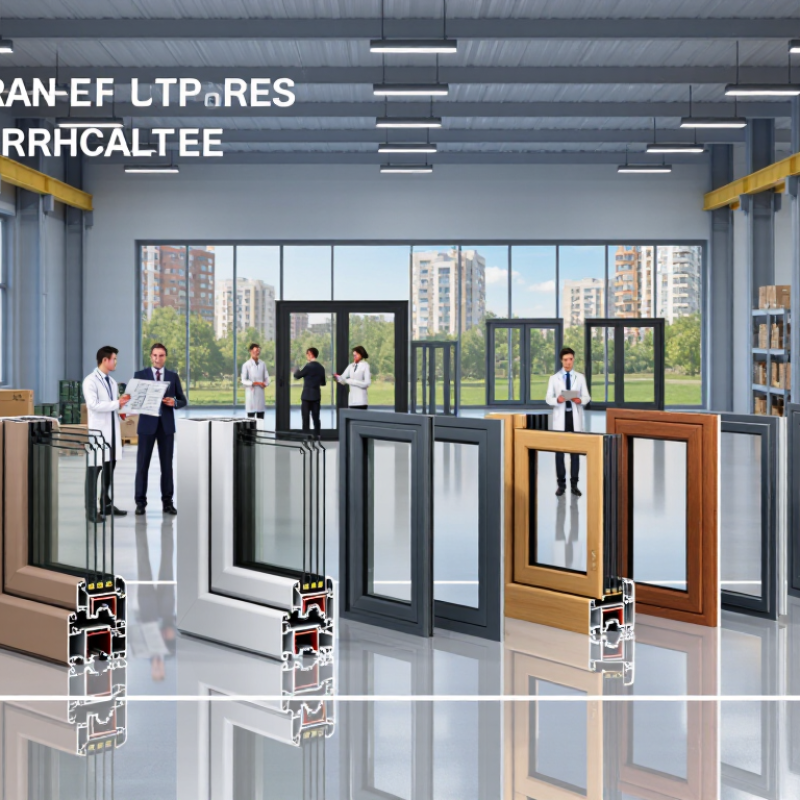
A sliding window supplier stands out globally through consistent quality, not attractive catalog images alone. Experienced buyers inspect frame thickness, drainage paths, roller smoothness, and glass specifications before placing large orders. A reliable supplier provides clear drawings, test data, and sample units that match production results. Small details matter. A window that slides quietly in a showroom may behave differently after long-distance shipping. Good suppliers use reinforced corners, moisture-resistant packaging, and visible batch labels for traceability.
Communication also reveals professional strength. Global buyers need prompt answers about dimensions, hardware, colors, lead times, and installation conditions. Strong suppliers explain limitations instead of promising everything. They can adjust designs for coastal air, heavy rain, or high-rise transport requirements. Their quality teams should document inspections with photographs and measurable checkpoints. However, no supplier is perfect. Delays can still happen, especially during peak seasons. The difference lies in honest updates and practical recovery plans.
Tips: Request one working sample and one detailed quotation. Compare warranty terms, replacement procedures, packaging photos, and production capacity. Ask how defects are recorded and resolved. Check whether technical documents are complete and easy to understand. A supplier may offer a low price, but unclear tolerances can create expensive installation problems. Personally, I would value stable communication over a slightly cheaper proposal. That choice is not always comfortable, yet it often reduces surprises after delivery.
| Supplier Profile | Primary Supply Region | Main Sliding Window Focus | Typical Frame Materials | Typical Thermal Performance | Common Glass Options | Indicative MOQ | Indicative Production Lead Time | Export-Readiness Indicators | Best Fit for Global Buyers |
|---|---|---|---|---|---|---|---|---|---|
| Supplier Profile 01 | East Asia | High-volume residential and commercial sliding systems | Aluminium; uPVC | Double-glazed systems; thermal-break aluminium options | Low-E insulated glass; laminated safety glass | From 1 container or project-based batch | Approximately 25–45 days after approval | ISO 9001 evidence; export packaging; third-party inspection support | Large developments requiring competitive unit pricing |
| Supplier Profile 02 | Southeast Asia | Custom-sized doors and windows for tropical climates | Powder-coated aluminium; uPVC | Moderate-to-high solar control and weather sealing | Tinted glass; Low-E glass; tempered glass | Approx. 50–100 units for standard configurations | Approximately 30–50 days after final drawings | Moisture-resistant packing; container loading plans; sample approval process | Hotels, villas, and projects in hot or humid regions |
| Supplier Profile 03 | Central Europe | Energy-efficient residential replacement windows | Multi-chamber uPVC; thermally broken aluminium | Low U-value configurations for cold and mixed climates | Triple-glazed insulated glass; argon-filled units | Approx. 20–50 units, subject to customization | Approximately 20–40 days after technical confirmation | CE-related technical documentation; performance declarations; traceability records | Projects prioritizing insulation, airtightness, and European documentation |
| Supplier Profile 04 | Eastern Mediterranean | Heavy-duty aluminium sliding windows and balcony systems | Thermally broken aluminium | Standard and enhanced thermal-break assemblies | Tempered glass; laminated glass; solar-control glass | Approx. 30–80 units or project batch | Approximately 25–45 days after shop-drawing approval | Structural calculations; finish samples; corrosion-resistant hardware options | Coastal properties, mid-rise buildings, and demanding balcony applications |
| Supplier Profile 05 | North America | Code-oriented replacement and new-build window systems | Vinyl; aluminium; fiberglass | Configurations specified by regional energy and building codes | Insulated glass; Low-E glass; impact-resistant glazing where required | Often project-based; smaller orders may be accepted | Approximately 30–60 days depending on specification | Performance test reports; installation guidance; code-submittal support | Buyers needing documented compliance for North American projects |
| Supplier Profile 06 | Middle East | Solar-control sliding windows for hot and arid environments | Powder-coated aluminium; thermally broken aluminium | Solar-gain reduction and reinforced weather resistance | Reflective glass; solar-control Low-E glass; laminated glass | Approx. 20–60 units for project orders | Approximately 25–50 days after design approval | UV-resistant finishes; climate-specific specifications; export crating | Commercial buildings and residences exposed to intense sunlight |
| Supplier Profile 07 | Oceania | Wind-rated and coastal residential sliding windows | Aluminium; uPVC in selected applications | Enhanced weather sealing and wind-load specification | Laminated safety glass; toughened glass; Low-E insulated glass | Approx. 10–40 units or one residential project | Approximately 30–60 days depending on testing and customization | Wind-load documentation; coastal finish options; installation manuals | Coastal homes, low-rise developments, and projects with strict weather requirements |
Seven Leading Sliding Window Suppliers and Their Key Strengths
Global buyers usually compare suppliers by more than appearance. Supplier One focuses on thermally broken aluminum frames, offering strong insulation and narrow sightlines. Supplier Two specializes in uPVC windows, with practical pricing, stable color, and low maintenance. Supplier Three serves coastal projects with corrosion-resistant hardware and carefully sealed joints. Its drainage design deserves close inspection.
Supplier Four is known for large-format sliding systems, supporting wider glass panels and smoother movement. Supplier Five develops energy-efficient windows with insulated glazing, warm-edge spacers, and documented thermal test results. Supplier Six provides flexible customization, including unusual sizes, powder-coated finishes, and insect screens. Supplier Seven emphasizes project support, supplying drawings, samples, packaging plans, and installation guidance.
Details matter.
In my experience, reliable suppliers explain tolerances clearly before production begins. They should confirm glass thickness, roller capacity, frame drainage, and replacement-part availability. A low quotation can hide weak rollers or inconsistent gaskets. Buyers should request recent factory photographs, sample units, inspection records, and references from comparable climates. Local building requirements must also be checked independently. No supplier is perfect. I would still test a sample window after repeated opening, closing, and water exposure. That small step can reveal problems that polished brochures cannot.
Key strengths commonly used by global buyers when evaluating leading sliding window suppliers. Scores are normalized benchmark ratings from 1 to 5 and represent procurement priorities rather than company-specific claims.
Higher scores indicate stronger importance or expected capability in international sliding window procurement, including customization, thermal efficiency, weather resistance, certification support, delivery flexibility, durability, and after-sales service.
For global buyers, the seven best sliding-window suppliers should be compared beyond price and catalog images. Material choice affects durability, insulation, and maintenance. Aluminum offers slim frames and strong wind resistance, while uPVC usually provides better thermal insulation. Fiberglass is stable in temperature changes, but often costs more. Wood gives warmth and repairability, yet needs regular protection in humid climates.
Design testing matters. Ask for U-factor, solar heat gain coefficient, air leakage, water penetration, and wind-load results. The U.S. Department of Energy reports that low-emissivity glass can reduce window heat loss by 30% to 50% compared with ordinary clear glass. That figure depends on installation quality. Poor sealing can quietly cancel expensive glass upgrades.
Certifications also separate reliable suppliers from attractive sellers. NFRC ratings support comparable energy data, while ISO 9001 indicates controlled production processes. CE marking may apply to products entering relevant European markets under applicable standards. Check test reports, not only certificates. Customization should cover frame colors, glass thickness, screen systems, opening direction, drainage, and packaging. ENERGY STAR estimates annual savings of $101 to $583 when replacing single-pane windows, depending on climate and home conditions. However, supplier claims often sound cleaner than real jobsite results. Request samples, corner sections, warranty terms, and independent inspection records. Small details matter.
When screening seven sliding window suppliers, global buyers should compare more than quoted unit prices. A low price may exclude screens, locks, packaging, or export handling. Request a detailed quotation for one standard size, such as 1,200 by 1,500 millimeters. Check aluminum grade, glass thickness, hardware, finish, and packing method line by line. Ask whether prices remain valid for 30, 60, or 90 days. Also confirm payment stages and currency adjustment rules. Small details matter. A supplier offering $42 per unit may become more expensive after custom tooling and reinforced crates. For minimum orders, separate stock items from customized profiles. Some factories accept 50 windows from inventory but require 300 for a new color.
Lead time needs evidence, not optimism. Ask for recent production schedules, sample approval dates, and the longest delay recorded. A practical quotation should distinguish sample time, tooling time, production time, and ocean preparation. For a 500-unit order, 25 to 40 working days may be reasonable, but capacity changes seasonally. Request weekly output, current machine utilization, and the number of active production lines. Then test those claims with a live video inspection or an independent factory audit. I once trusted a promised 20-day lead time and ignored a crowded schedule. The shipment arrived late. That mistake changed my review process. I now compare on-time delivery records, defect rates, replacement policies, and spare hardware availability. Production capacity is not the same as reliability. A large workshop can still miss a deadline without disciplined planning and quality control.
Selecting a sliding window supplier requires more than comparing catalog prices. Global buyers should match the window to the project’s climate, building use, and installation conditions. A coastal project may need corrosion-resistant hardware, while a cold region needs a low U-value and reliable thermal breaks. Ask for tested data on air leakage, water resistance, wind pressure, and sound control. Details matter.
Request a physical sample before approving a large order. Check whether the sash moves smoothly, the rollers stay aligned, and the locking points feel firm. Inspect corner joints and drainage holes closely. A polished sample can still hide production weaknesses. Factory audits, production photos, and independent test reports provide stronger evidence than attractive brochures. Test it twice. Suppliers should also explain glass options, frame tolerances, packaging methods, and replacement-part availability.
Commercial terms deserve equal attention. Confirm minimum order quantities, production lead times, inspection procedures, shipping responsibilities, and warranty coverage in writing. Clear drawings should show dimensions, opening direction, hardware positions, and installation gaps. A supplier with experienced technical staff can prevent costly site changes, but communication quality must be tested early. Send the same questions to several suppliers and compare the clarity of their replies. Price remains important, yet a cheaper window may create higher costs through damaged goods, slow support, or poor installation guidance. Some buyers overlook this until the first container arrives.