Locally made
Energy efficient windows are designed to reduce unwanted heat transfer through a home’s glass and frames. They can help keep rooms warmer in winter and cooler in summer. The idea sounds simple, but real performance depends on several connected factors. A high-quality window usually combines insulated glass, low-emissivity coatings, durable spacers, and carefully designed frames. These components work together rather than separately.
Several technical ratings help explain a window’s performance. U-factor measures how quickly heat passes through the product. A lower U-factor generally indicates better insulation. Solar heat gain coefficient shows how much sunlight becomes indoor heat. Visible transmittance describes how much natural light enters the room. Independent labels, including ENERGY STAR, can support more reliable comparisons when their regional requirements are checked. NFRC ratings also provide useful standardized information. Still, numbers do not tell the whole story.
During a practical evaluation, installation quality deserves equal attention. A well-rated window can perform poorly when gaps surround the frame. Air leaks matter. Incorrect flashing, weak sealing, or poor drainage may create cold drafts and moisture problems. Local climate, building orientation, shading, and room use should influence the final choice. Cold regions may prioritize insulation, while hot climates may need stronger solar control. Homeowners should also compare maintenance needs, warranty terms, and long-term costs. No window is perfect. The most expensive option may not deliver the best result for every building. A careful decision balances verified ratings with actual site conditions, professional installation, and realistic expectations.
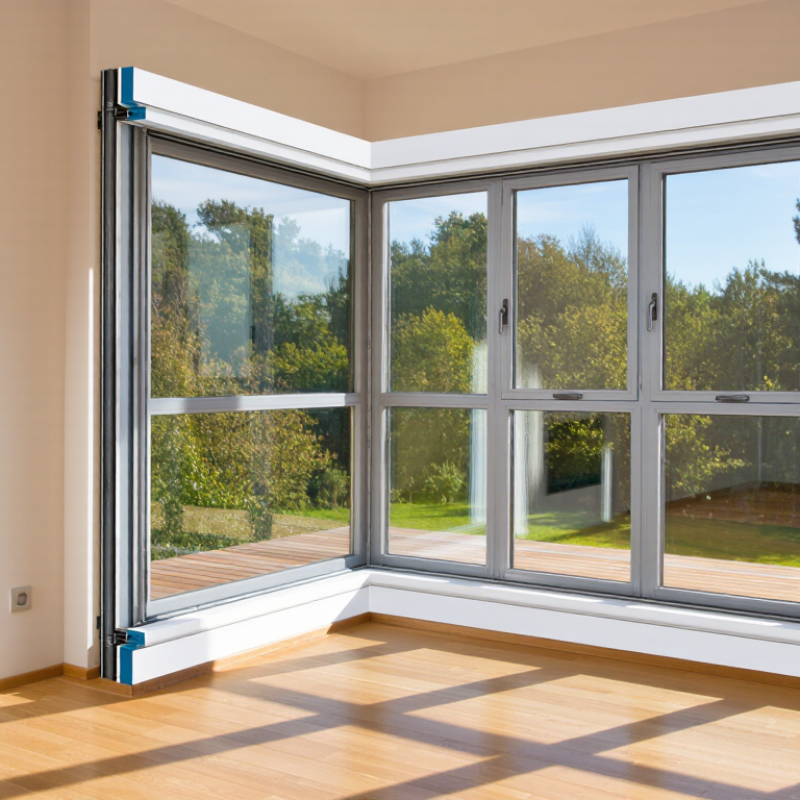
Energy-efficient windows are designed to slow heat transfer between your home and the outdoors. They usually combine insulated glass, low-emissivity coatings, and sealed air spaces. Some units contain argon or another inert gas between the panes. That space acts like a quiet thermal barrier. Not merely thicker glass.
A low U-factor indicates stronger resistance to heat loss. A lower number is generally better in cold climates. The solar heat gain coefficient, or SHGC, shows how much sunlight enters through the glass. In warm regions, a lower SHGC can reduce unwanted indoor heat. Visible transmittance also matters because darker glass may reduce daylight. These ratings should be read together, not separately. A window with excellent insulation can still perform poorly if its solar rating conflicts with the local climate.
Installation is part of the window’s performance. Even a well-rated unit may leak air around an uneven opening, damaged flashing, or poorly sealed joints. During a home assessment, check for condensation, drafts, and cold interior glass near the frame. These signs do not always prove window failure, but they deserve attention. I have found that homeowners sometimes replace windows before improving attic insulation or sealing obvious gaps. That choice can waste money. Energy savings also depend on shading, orientation, indoor humidity, and daily ventilation habits. The “best” window is not universal; it must match the building, weather, and installation quality.

Energy-efficient windows do more than reduce drafts. They control heat and light through glass, coatings, spacing, and frame design. The U.S. Department of Energy reports that windows can cause 25–30% of a home’s heating and cooling energy use. In winter, heat escapes through cold glass. In summer, sunlight enters and raises indoor temperatures. Low-emissivity coatings reflect infrared heat while allowing useful daylight to pass. Double or triple glazing also slows heat transfer, especially when sealed with insulating gas.
The key ratings are U-factor, solar heat gain coefficient, and visible transmittance. A lower U-factor usually means better insulation. A lower SHGC can reduce unwanted summer heat, but it may also limit helpful winter sunlight. The National Fenestration Rating Council recommends comparing these values on certified labels. Orientation matters, too. South- and west-facing windows often need stronger solar control. No window performs perfectly in every climate. That is an important design limitation.
Tips: Match the glass to the room and local weather. Use lower SHGC glass in hot, sunny spaces. Choose higher visible transmittance where daylight matters. Check frame quality and installation gaps. A high-rated window can still waste energy if poorly fitted. Exterior shades may outperform expensive glass in intense afternoon sun. The DOE notes that air leakage and solar gain both affect real-world performance, yet homeowners often focus on glass alone. That oversight deserves reconsideration.
Energy-efficient windows limit unwanted heat flow through glass, frames, and installation gaps. Their performance depends on several connected components, not appearance alone. Double- or triple-pane glass creates insulating air spaces between layers. Low-emissivity coatings reflect indoor heat back into a room during winter. In warmer weather, they can reduce incoming solar heat. Inert gas, such as argon, may fill the spaces between panes. It slows heat movement more effectively than ordinary air. The frame matters too. Materials with low thermal conductivity help reduce cold edges and interior condensation.
Warm-edge spacers separate the glass panes while limiting heat transfer around their edges. A durable seal keeps the insulating gas inside and blocks moisture. Even excellent glass performs poorly when the frame leaks air. Professional installation should include careful measurement, level placement, and an airtight perimeter seal. Small gaps can create noticeable drafts near floors or curtains. Check the window’s U-factor, solar heat gain coefficient, and air-leakage rating before choosing it. Lower numbers are not automatically better for every climate. A highly insulating window may reduce winter warmth from sunlight. That trade-off deserves attention. No window is perfect. Local weather, wall orientation, shading, and household habits all influence real-world results. Independent performance testing offers useful evidence, but installation quality remains an imperfect variable.
What Are Energy Efficient Windows?
Window Performance Ratings and Certification Standards
Energy efficient windows are judged by measurable performance, not appearance alone. The U-factor shows how quickly heat passes through the glass and frame. Lower values usually indicate better insulation. The solar heat gain coefficient, or SHGC, measures how much sunlight becomes indoor heat. A lower SHGC can help in hot climates, while a higher value may benefit colder homes. Visible transmittance also matters because it indicates how much daylight enters the room.
Performance ratings should match the building’s climate, orientation, and heating system. Check air leakage ratings, especially for windy locations. Look for independent certification and clear testing information. Certification can confirm that a window meets defined standards, but it does not guarantee perfect comfort in every home. Installation quality remains critical. A highly rated window may still allow drafts if the frame is poorly sealed.
Tips: Compare the whole-window rating, not glass alone. Ask for U-factor, SHGC, visible transmittance, and air leakage data. Inspect seals and corners before purchase. Do not choose the lowest number automatically; excessive solar control can make a bright room feel cold. Measurements can also be misunderstood. Recheck local requirements and climate guidance before ordering. Small differences in rating may matter less than correct sizing, shading, and careful installation.
| Performance Dimension | What It Measures | Units or Rating Scale | How to Read the Result | Common Test Method or Certification Reference |
|---|---|---|---|---|
| U-Factor | The rate of heat transfer through the complete window, including the frame, glazing, and spacer. | Typically expressed in Btu/h·ft²·°F in the United States. | Lower is generally better because less heat moves through the window. | NFRC 100; commonly listed on a certified window label. |
| Solar Heat Gain Coefficient (SHGC) | The fraction of incident solar radiation admitted through the window as heat, including directly transmitted solar energy and absorbed heat released indoors. | Dimensionless value from 0 to 1. | Lower values help reduce unwanted solar heat in cooling-dominated locations. Higher values may provide useful passive solar heat in heating-dominated locations. | NFRC 200; used in energy-code and high-performance-window evaluations. |
| Visible Transmittance (VT) | The percentage of visible sunlight transmitted through the glazing. | Dimensionless value from 0 to 1, or a percentage. | Higher generally means more daylight, although the result can vary with tint, coatings, and glazing configuration. | NFRC 200; reported on many certified fenestration labels. |
| Air Leakage (AL) | The amount of air that passes through gaps and joints in the assembled window under a specified pressure difference. | Usually reported in cfm/ft² at a test pressure of 1.57 psf, or approximately 25 Pa. | Lower is better because reduced leakage can improve comfort and limit uncontrolled energy loss. | NFRC 400; test and rating procedures are also addressed by AAMA/WDMA/CSA 101/I.S.2/A440. |
| Condensation Resistance (CR) | The relative ability of a window to resist condensation on interior surfaces under laboratory test conditions. | Numeric index from 0 to 100. | Higher is generally better. Actual condensation also depends on indoor humidity, outdoor temperature, ventilation, and installation. | NFRC 500; the index is comparative and is not a guarantee that condensation will never occur. |
| Glazing Configuration | The number of glass panes and the use of insulating gas, low-emissivity coatings, warm-edge spacers, or other technologies. | Common configurations include double-pane and triple-pane insulating glass units. | Multiple panes, low-emissivity coatings, and inert-gas fills can reduce heat transfer when properly sealed and installed. | Performance must be verified through the complete-window ratings rather than glazing description alone. |
| Frame Material and Design | The thermal and structural characteristics of the window frame, sash, joints, and reinforcement. | No single universal numeric scale; evaluated as part of the complete product. | Thermally improved frames and effective weather seals can reduce conductive heat loss and air infiltration. | Evaluated within whole-window tests and product-performance standards. |
| Energy-Efficiency Certification | Independent verification that a window has been tested, rated, and labeled according to recognized procedures. | Certification status is normally shown through an official product label and searchable certification record. | Look for independently verified ratings for U-factor, SHGC, VT, and air leakage rather than relying only on marketing descriptions. | NFRC certification and labeling; ENERGY STAR qualification requirements vary by climate zone, product type, and program version. |
| Installation Quality | How well the window is integrated with the wall, flashing, air barrier, insulation, and weather-resistant barrier. | Primarily assessed through installation practice and field inspection rather than a single window-label value. | A high-rated window can perform poorly if it is incorrectly sized, flashed, sealed, or aligned. | Follow applicable building codes, manufacturer installation instructions, and recognized fenestration installation practices. |
What Are Energy Efficient Windows?
Types of Energy-Efficient Windows and Their Applications
Energy-efficient windows reduce heat transfer through improved glass, coatings, gas fills, and frames. The U.S. Department of Energy estimates that windows can cause 25–30% of residential heating and cooling energy use. Double-glazed units suit many homes because two glass layers create an insulating air space. Low-emissivity coatings further limit radiant heat loss while allowing useful daylight inside. In colder regions, triple glazing can improve comfort near the glass. However, it also adds weight, cost, and installation demands.
Different buildings need different window systems. Low-e double glazing often fits apartments, offices, and moderate climates. Triple glazing works well in cold areas, passive-house projects, and rooms with noticeable drafts. In hot climates, solar-control glass can reduce unwanted summer heat. Laminated insulating glass may help where noise reduction matters, such as homes near busy roads. Thermally improved frames are important too. A highly insulated pane cannot compensate for a poorly designed frame.
Tips: Check U-factor, solar heat gain coefficient, visible transmittance, and air leakage ratings. The National Fenestration Rating Council explains that these values should be compared together, not separately. Measure the opening carefully. Small gaps can weaken real performance. The right choice is not always triple glazing. Local weather, window direction, shading, and installation quality often matter more. The International Energy Agency reports that buildings consume about 30% of global final energy, so small envelope improvements deserve practical attention. Yet performance claims can disappoint when installers ignore edge sealing and ventilation. That part is easy to underestimate.
Typical thermal performance of common window types. Lower U-factor means better insulation, while SHGC indicates how much solar heat enters through the glass.
Double- and triple-pane windows with low-emissivity coatings generally provide better insulation than single-pane and clear-glass windows. Low SHGC glazing can help reduce cooling loads in sunny climates, while higher SHGC glazing may be useful in cold climates that benefit from passive solar heat.
Values shown are representative performance figures; actual ratings vary by glazing, frame material, gas fill, coating, size, and climate.