7 Best Window Price List Options for Global Buyers
Choosing the right window price list can feel like comparing apples, oranges, and polished showroom samples. Global buyers face different currencies, glass standards, freight costs, installation methods, and warranty terms. A low figure may look attractive, yet it can exclude screens, hardware, packaging, or custom sizing.
Building-science expert Dr. Joseph Lstiburek once described a window as “a hole in the wall with a piece of glass in it.” That simple observation deserves careful attention. A window price list is not only a shopping tool. It reveals how well a product controls heat, air, water, noise, and long-term maintenance.
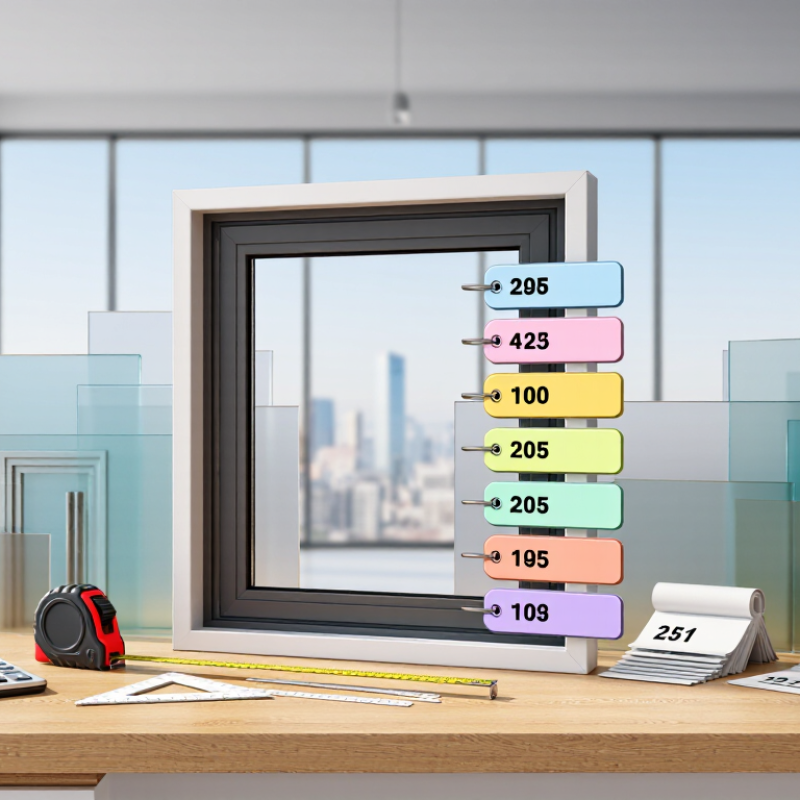
This guide examines seven practical window price list options for international purchasing teams, distributors, architects, and property developers. The comparisons consider frame materials, glazing packages, energy performance, customization, delivery terms, and after-sales support. Real purchasing decisions often happen beside a sample frame, a tape measure, and a calculator covered with shipping notes.
Details matter.
A reliable list should show unit prices, measurement assumptions, minimum order quantities, lead times, and applicable taxes. It should also identify whether prices are factory-based, distributor-based, or fully installed. Some lists remain useful despite small gaps. Others look complete but hide important exclusions.
No pricing guide is perfect. Regional labor rates change quickly. Exchange rates move. Installation quality can weaken even an excellent product. Buyers should verify every figure with current supplier quotations, technical documents, and project-specific measurements before committing funds. The best option is usually not the cheapest one, but the clearest, most comparable, and most defensible choice.
Window Price Lists Explained: 7 Quote Formats for Global Buyers
Window Price Lists Explained: 7 Quote Formats for Global Buyers
A window price list is useful only when buyers can compare like with like. The U.S. Department of Energy reports that windows account for about 25–30% of residential heating and cooling energy use. ENERGY STAR estimates that replacing single-pane windows with certified models can save households an average of 12% on energy bills. These figures are not universal; climate, installation, and building design change results. Details matter.
Seven common quote formats reveal different costs.
An itemized schedule lists frames, glazing, hardware, and installation separately.
A per-unit quote gives one price per window.
A size-band list groups prices by dimensions.
A package quote bundles windows and accessories.
A project-lot quote prices the full order.
An Incoterms-based quote states the delivery responsibility, such as freight arrangements.
A landed-cost estimate combines product, shipping, insurance, and import charges where known.
Compare the same specifications across every format: opening style, frame material, glass build-up, finish, quantity, and warranty. Ask whether prices include screens, handles, packing, or fitting.
For example, a low unit price may exclude protective crating, while a package price may include it. That comparison can still be imperfect. Freight and local charges may change before dispatch, so request an expiry date and a written list of exclusions.
Compare Frame Options Using U-Factor and SHGC, the Two NFRC Rating Metrics
A useful window price list should show more than frame material and unit cost. It should include U-factor and SHGC values verified through NFRC-rated data. These figures make different frame options easier to compare across markets.
U-factor measures heat transfer through the window. Lower numbers generally indicate better insulation. This matters in cold regions, where a poorly rated window can leave glass surfaces noticeably chilly.
SHGC measures how much solar heat enters the room. Lower SHGC can reduce summer cooling demand, especially on large south- or west-facing windows.
Look Beyond the Lowest Quote
A cheaper frame may have a higher U-factor, creating higher heating costs over time. A highly insulated frame may also perform poorly if installation leaves gaps around the opening. Check the listed values, glazing configuration, frame depth, and local installation method. Ask whether the figures apply to the complete window, not only the center glass.
Compare Ratings with Climate and Orientation
A practical comparison uses climate and orientation together. For example, a home in a cold northern area may prioritize a low U-factor. A sunny coastal home may need balanced U-factor and SHGC performance. However, ratings do not predict every real-world result. Shading, ventilation, air leakage, and workmanship still matter.
I have seen price sheets that looked precise but omitted key rating details. That is a warning sign. Reliable sellers should provide clear documentation, test references, and realistic installation assumptions. Price is useful, but performance data deserves equal attention.
Check Thermal Performance with ISO 10077 U-Values in W/(m²·K)
A window price list is useful only when its thermal figures describe comparable products. Ask for the whole-window U-value, Uw, calculated using ISO 10077 and shown in W/(m²·K). A lower value generally means less heat passes through the window under the stated calculation conditions. Check the report, not just a sales-sheet headline.
Details matter. Uw combines the glazing, frame, and edge spacer, so glass-only Ug is not the whole-window result. A narrow sample window may also perform differently from a larger unit. Request the tested or calculated size, frame type, glazing build-up, and spacer specification alongside each quote. Keep those details consistent when comparing suppliers. Small differences can change the ranking.
Look closely. ISO 10077 provides calculation methods; it does not promise identical results in every building. Installation quality, air leakage, and local exposure affect real comfort, but they are not captured by Uw alone. A clear price list should separate these factors rather than blur them. I would still question any unusually low figure without supporting details. Ask for the calculation basis and product configuration before treating the number as a reliable comparison.
Compare Glass Packages by Pane Count: Single, Double, and Triple Glazing
A useful window price list starts with the glass package, not the frame color.
For global buyers, compare single, double, and triple glazing as separate cost levels. Single glazing uses one pane. It can suit mild climates, interior partitions, or low-budget projects, but heat loss and street noise remain noticeable. I have found that a low purchase price can create higher heating or cooling costs later. That detail is easy to miss.
Double glazing combines two panes with a sealed space between them. The cavity may contain insulating gas, while low-emissivity coatings can improve thermal performance. Ask the supplier for U-value, glass thickness, spacer type, and test documents. Do not compare price alone. A cheaper unit may use thinner glass, weaker seals, or fewer configuration choices. Check whether the quoted figure includes packaging, export handling, delivery, and installation. Those items often change the real landed cost.
Triple glazing adds a third pane and usually offers stronger insulation and better indoor comfort. It also weighs more, costs more, and may require reinforced frames or careful handling. For cold regions, busy roads, and energy-conscious buildings, the extra layer can be practical. For warm climates, the benefit may be smaller without suitable solar-control glass. This is where price lists become imperfect. Specifications can look impressive while local climate, orientation, and installation quality tell a different story. Request matching quotations with identical sizes and performance values. A fair comparison needs that discipline.
Calculate Landed Cost: Product Price, Freight, Duties, and Installation
A window price list is only a starting point for global buyers. Compare the quoted product price with the full landed cost before choosing an option. Check what each price includes: frame material, glazing, hardware, finish, and packing. A low unit price may exclude protective crates or special glass. Small details matter.
Estimate freight using the shipment’s dimensions and weight, not just the number of windows. For example, bulky frames may occupy more container space than their weight suggests. Add insurance, port handling, and delivery to the final site where applicable. Duties and taxes depend on the destination, product classification, and current local requirements; confirm estimates with a qualified customs professional. Then request an installation breakdown. Does it cover labor, sealants, access equipment, and removal of old frames? These costs can vary greatly by building and region.
I compare suppliers using the same window specifications and delivery address. That makes price lists more useful. Keep every assumption visible in a simple worksheet: product, freight, duties, and installation. Leave room for uncertainty. Freight quotes can change, and site conditions are sometimes missed during early estimates. I still find that the cheapest quote can be hard to judge until these gaps are filled.